
What Is Asbestos and Where Is It Found?
Asbestos refers to a group of six naturally occurring mineral fibers that are incredibly durable and resistant to heat, electricity, and corrosion. These properties made it a popular material in construction and manufacturing for decades. You might find asbestos in older homes, particularly in insulation, floor tiles, roofing materials, and even in pipe coatings. It’s important to note that asbestos is not always visible to the naked eye—testing is the only way to confirm its presence.
Historical Use of Asbestos in Homes
In the mid-20th century, asbestos was considered a “miracle material” due to its versatility. It was used in countless household products, from cement to ceiling tiles, and even in some household appliances. Homes built before the 1980s are especially likely to contain asbestos. Over time, however, the health risks associated with asbestos exposure became apparent, leading to stricter regulations and a decline in its use.
Why Asbestos Is a Health Concern
When asbestos-containing materials are damaged or disturbed, they release tiny fibers into the air. These fibers can be inhaled and become lodged in the lungs, leading to serious health issues over time. Diseases linked to asbestos exposure include mesothelioma, asbestosis, and lung cancer. Even though it may take years for symptoms to appear, there is no safe level of asbestos exposure. This is why identifying and managing asbestos in your home is so critical.
Identifying Asbestos in Your Home
Common Locations of Asbestos in Residential Properties
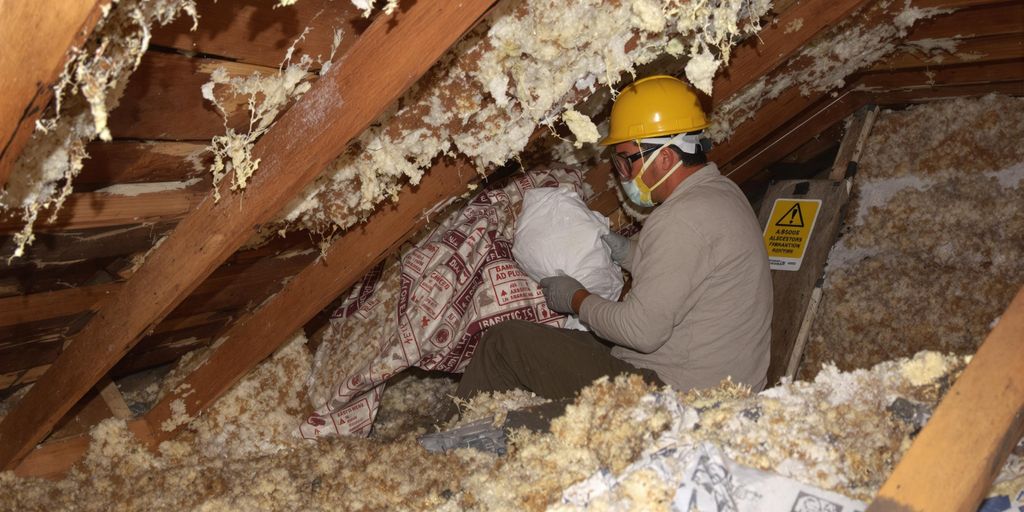
Asbestos can be found in various parts of older homes, particularly those built before the 1980s. Common areas include insulation, floor tiles, and roofing materials. You might also encounter it in cement siding, pipe insulation, and even textured paints. One specific example is vermiculite loose-fill insulation, which often contains asbestos and has a distinct pebble-like appearance in gray-brown or silver-gold colors. Knowing where to look is the first step in addressing potential risks.
Signs That May Indicate Asbestos Presence
While asbestos is not visible to the naked eye in most cases, there are some signs that could hint at its presence. Look for:
- Old, brittle insulation in attics or around pipes.
- Crumbling drywall or deteriorating floor tiles.
- Textured surfaces or coatings that seem aged and worn.
If you notice any of these, it’s essential to proceed with caution. Do not disturb the material, as this could release harmful fibers into the air.
Using Professional Testing Services
Identifying asbestos requires specialized testing, as visual inspection alone is not enough. Homeowners are advised to:
- Hire a certified asbestos professional to collect samples safely.
- Avoid attempting to take samples yourself, as this can expose you to asbestos fibers.
- Ensure the samples are sent to an accredited lab for analysis.
Professional testing not only confirms the presence of asbestos but also provides guidance on the next steps for managing or removing it safely. Always prioritize expert advice to protect your household.
Health Risks Associated with Asbestos Exposure
Diseases Linked to Asbestos Fibers
When asbestos fibers are inhaled, they can become trapped in the lungs, leading to serious health issues over time. The most common diseases caused by asbestos exposure include:
- Asbestosis: A chronic lung condition caused by scarring of lung tissue, making it difficult to breathe.
- Lung Cancer: Prolonged exposure significantly increases the risk of developing lung cancer, especially in smokers.
- Mesothelioma: A rare but aggressive cancer affecting the lining of the lungs, chest, or abdomen.
These conditions often take decades to manifest, meaning individuals may not notice symptoms until long after the exposure.
How Asbestos Affects the Respiratory System
Once inhaled, asbestos fibers can irritate and inflame lung tissue. Over time, this irritation leads to scarring, which reduces lung elasticity and function. The fibers are microscopic and can remain lodged in the lungs indefinitely, causing ongoing damage. Even minimal exposure can be harmful, as there is no known safe level of asbestos inhalation.
Long-Term Impacts of Asbestos Exposure
The long-term effects of asbestos exposure can be devastating. Besides chronic respiratory issues, individuals may experience:
- Reduced lung capacity and persistent shortness of breath.
- Increased vulnerability to respiratory infections.
- A higher likelihood of developing pleural plaques or thickening, which can impair lung function.
It’s important for homeowners to understand these risks and take proactive measures to limit exposure. If you suspect asbestos in your home, consult a professional for testing and removal to protect your health.
Asbestos Regulations and Homeowner Responsibilities
Overview of Federal and State Asbestos Laws
Asbestos regulations in the United States are governed by a combination of federal and state laws. At the federal level, agencies like the Environmental Protection Agency (EPA) and the Occupational Safety and Health Administration (OSHA) set guidelines for asbestos handling and removal. These rules are designed to protect both public health and the environment. States often have additional regulations that may be stricter, so homeowners must familiarize themselves with local laws. Failure to comply with these regulations can result in significant fines and legal consequences.
Homeowner Obligations During Renovations
If you’re planning renovations on a property that might contain asbestos, certain steps are legally required. First, a professional inspection is often necessary to determine if asbestos is present. If asbestos is identified, you’ll need to hire certified professionals to handle its removal. Homeowners are also required to notify local authorities before starting any demolition or major renovation projects. This ensures that proper safety measures are in place to prevent asbestos fibers from contaminating the air.
Penalties for Non-Compliance
Ignoring asbestos regulations can lead to serious penalties. Homeowners who fail to disclose asbestos during property sales or renovations could face lawsuits or fines. Additionally, improperly handling or disposing of asbestos can result in criminal charges. To avoid these issues, it’s essential to follow all legal requirements and work with licensed professionals. For landlords, legal responsibilities extend to ensuring rental properties are safe and asbestos-free for tenants.
By understanding and adhering to these regulations, homeowners can protect their families and communities from the dangers of asbestos exposure. Compliance also ensures that renovation projects proceed without unnecessary legal hiccups.
Safe Practices for Handling Asbestos
Dos and Don’ts of Asbestos Management
When dealing with materials that might contain asbestos, it’s important to follow strict safety measures to avoid exposure. Asbestos fibers are hazardous when released into the air, so handling them improperly can increase health risks. Here are some general guidelines:
Dos:
- Always hire trained professionals for asbestos inspections, testing, and removal.
- Keep any suspected asbestos-containing materials intact and undisturbed.
- Use protective equipment if you must access areas where asbestos may be present.
Don’ts:
- Don’t saw, sand, scrape, or drill into materials that might contain asbestos.
- Avoid sweeping, vacuuming, or dusting debris suspected to contain asbestos.
- Never dispose of asbestos materials with regular household trash.
When to Call a Professional
If you suspect asbestos in your home, it’s critical to consult a certified asbestos abatement professional. These experts have the training and equipment to safely assess and handle asbestos-containing materials. Attempting to manage asbestos removal on your own can disturb the fibers, increasing the risk of contamination for you and your family. To prevent asbestos exposure, always prioritize professional help.
Protective Equipment for Asbestos Handling
For those situations where contact with asbestos materials is unavoidable, proper protective equipment is essential. This includes:
- Respirators designed to filter asbestos fibers.
- Disposable coveralls to prevent fibers from clinging to clothing.
- Gloves and safety goggles to protect hands and eyes.
Even with this gear, the safest approach is to minimize handling and leave the work to professionals. Remember that federal and state regulations, such as asbestos-related laws, are in place to ensure safe practices and reduce risks.
The Role of Asbestos Awareness Month
History and Purpose of the Campaign
Since its inception in 2011, November has been designated as National Asbestos Awareness Month. This initiative was created to educate the public about the dangers of asbestos, particularly in homes built before 1990. Its primary goal is to reduce the risks associated with asbestos exposure by increasing awareness and providing actionable resources. Over the years, the campaign has expanded its focus to include not just homeowners, but also tradespeople and DIY enthusiasts who may unknowingly handle asbestos-containing materials.
Key Messages for Homeowners
The campaign emphasizes several critical points for homeowners:
- Asbestos is still present in many older homes. It is not just a relic of the past but a current threat.
- There is no safe level of asbestos exposure, and even minor contact can pose health risks.
- Proper identification and handling of asbestos are vital to protect your family and community.
These messages aim to encourage homeowners to take proactive steps, such as hiring professionals for asbestos testing and avoiding DIY removal.
Resources Available During the Month
During Asbestos Awareness Month, various resources are made available to the public:
- Guides and checklists to help identify common asbestos-containing materials in homes.
- Access to professional advice and services, including testing and safe removal options.
- Educational workshops and community programs designed to inform and equip homeowners with the knowledge they need.
Organizations like the Asbestos and Silica Safety and Eradication Agency play a significant role in promoting these resources, ensuring that the campaign reaches a wide audience. Additionally, initiatives such as Asbestos Awareness Week further highlight specific risks and safety measures, like the dangers of using high-pressure water hoses on asbestos materials.
Myths and Facts About Asbestos
Debunking Common Misconceptions
When it comes to asbestos, misinformation is everywhere. One of the most persistent myths is that asbestos is only a concern in older homes. While it’s true that homes built before the 1980s are more likely to contain asbestos, it’s important to understand that asbestos-containing materials were still used in some products even into the late 1990s. This means even newer homes might not be entirely asbestos-free.
Another common misconception is that asbestos is harmless unless disturbed. While asbestos fibers are most dangerous when airborne, materials containing asbestos can deteriorate over time, releasing hazardous fibers into the air even without direct interference. This slow degradation can pose risks without any visible signs of damage.
Understanding the Real Risks
Some believe that small doses of asbestos exposure are safe. This is not true. Even minimal exposure to asbestos fibers can lead to severe health issues, including mesothelioma, lung cancer, and asbestosis. All types of asbestos, including the widely used white asbestos, carry these risks. Asbestos-related diseases often take years to develop, making early exposure particularly dangerous.
Homeowners also often think that asbestos testing is unnecessary unless there are visible signs of damage. However, asbestos can be hidden in places like insulation, floor tiles, or even old paint. Professional testing is the only reliable way to confirm its presence and assess the risk.
Why Awareness Is Crucial
Many dismiss asbestos as a problem of the past, assuming bans and regulations have eliminated the danger. However, asbestos exposure remains a current issue. Renovations, demolitions, or even minor repairs can disturb asbestos-containing materials, releasing fibers into the air. This is why campaigns like Asbestos Awareness Month are vital—they remind homeowners of the ongoing risks and the importance of vigilance. Mesothelioma myths and other misinformation only add to the danger, making education and awareness essential for safety.
Steps to Take If You Suspect Asbestos
Immediate Actions to Protect Your Family
If you think there might be asbestos in your home, the first rule is simple: don’t disturb it. Asbestos-containing materials are generally safe if they’re intact and undamaged. However, once disturbed, they can release harmful fibers into the air. Follow these steps:
- Avoid touching or moving the suspected material.
- Keep children and pets away from the area.
- Limit access to the space until you know more.
Taking these precautions can help reduce the risk of exposure while you figure out your next steps.
How to Arrange for Asbestos Testing
Identifying asbestos visually is nearly impossible. To confirm its presence, you’ll need professional testing. Here’s how to proceed:
- Contact a licensed asbestos professional for an inspection. They’re trained to safely collect samples and send them to a lab for analysis.
- Do not attempt to collect samples yourself. Without proper training, you could accidentally release fibers into the air.
- Search for accredited testing services in your area. The Asbestos Ombudsman can provide guidance on finding reliable resources.
A professional inspection ensures accurate results and minimizes risks to your family.
What to Expect During the Removal Process
If testing confirms asbestos, removal might be necessary. Here’s what happens next:
- A certified asbestos contractor will assess the situation and recommend either removal or containment, depending on the material’s condition.
- During removal, the area will be sealed off to prevent fibers from spreading. Specialized equipment will be used to safely extract the material.
- After the work is complete, air quality testing will confirm that the space is safe to re-enter.
Hiring experienced asbestos professionals ensures the process is handled safely and in compliance with regulations. Avoid DIY removal at all costs—it’s not worth the risk to your health or safety.
Preventing Asbestos Exposure During Renovations
Planning Renovations with Safety in Mind
Before starting any renovation project, especially in homes built before the 1980s, it’s essential to take steps to identify potential asbestos-containing materials. Disturbing asbestos without proper precautions can release harmful fibers into the air. Homeowners should consult with certified professionals to inspect and test for asbestos before any work begins.
Identifying High-Risk Activities
Certain renovation tasks are more likely to disturb asbestos-containing materials. These include:
- Removing old floor tiles or linoleum.
- Sanding walls or ceilings that may have asbestos-based plaster.
- Cutting or drilling into insulation, ducts, or roofing materials.
To minimize risks, homeowners should avoid these activities unless they have confirmation that the materials are asbestos-free.
Hiring Certified Asbestos Professionals
If asbestos is found, it’s critical to hire a certified asbestos abatement professional to handle the removal. These experts follow strict protocols to ensure the safety of everyone in the home. Attempting to remove asbestos without the right equipment and training can worsen exposure risks. For safe disposal, professionals also adhere to regulations for sealing and transporting asbestos waste. Homeowners can seal off work areas and improve ventilation during renovations to further reduce risks.
The Importance of Professional Asbestos Removal
Why DIY Removal Is Dangerous
Handling asbestos on your own is not just risky—it’s downright dangerous. Asbestos fibers are incredibly small and can easily become airborne during removal attempts. Without proper training or equipment, you could unintentionally release these fibers into your home, putting yourself and your family at risk of inhaling them. Even minor disturbances, like sanding or drilling, can create a hazardous situation. Professionals are trained to handle asbestos safely, ensuring minimal risk of exposure.
How Professionals Ensure Safety
Certified asbestos abatement contractors bring expertise and specialized tools to the table. They follow strict protocols, such as sealing off work areas, using negative air pressure systems, and wearing protective gear to prevent contamination. Their process typically involves:
- Conducting a thorough assessment to locate asbestos-containing materials.
- Safely removing or encapsulating the asbestos to prevent fiber release.
- Properly disposing of the material at approved facilities.
Hiring professionals ensures compliance with safety standards and reduces the likelihood of accidental exposure.
Cost Considerations for Removal Services
While professional asbestos removal may seem expensive upfront, it’s an investment in your health and safety. Attempting to cut corners with DIY methods or unqualified contractors can lead to costly mistakes, not to mention potential legal penalties. Additionally, professional removal can help protect your property value by addressing the issue thoroughly and correctly. For homeowners, timely asbestos removal is a critical step in safeguarding their families and properties. Learn more about timely asbestos removal and why it’s essential.
Professionals also help homeowners navigate regulations, ensuring all work complies with local and federal laws. This peace of mind is invaluable, especially during renovations or property sales. When it comes to asbestos, hiring experienced abatement contractors is the safest choice. Explore the benefits of professional asbestos abatement contractors and how they manage hazardous materials effectively.
Educational Resources for Homeowners
Guides and Checklists for Identifying Asbestos
For homeowners, having access to well-organized guides and checklists is invaluable when it comes to identifying asbestos in their homes. These resources often break down the process into manageable steps, helping individuals understand where asbestos might be lurking. From insulation to old floor tiles, these materials provide insight into what to look for. Using a checklist can make all the difference in staying organized and thorough.
Where to Find Reliable Information
Finding accurate and trustworthy information is key for anyone dealing with asbestos concerns. Government organizations, such as the EPA asbestos site, are excellent starting points. They offer detailed explanations about asbestos sources, exposure risks, and health effects. Additionally, advocacy groups often publish practical advice tailored to homeowners, ensuring the information is both accessible and actionable.
Community Programs and Workshops
Local community programs and workshops can be incredibly helpful for homeowners looking to learn more about asbestos. These events often feature industry experts and advocates, like those highlighted in guidance on safe management, who share their knowledge on handling asbestos safely. Workshops may also include hands-on demonstrations or Q&A sessions, making it easier for attendees to grasp the complexities of asbestos management.
The Future of Asbestos Awareness and Safety
Advancements in Asbestos Detection
As technology moves forward, so does the ability to identify asbestos more effectively. Modern testing methods are becoming faster and far more accurate. For example, researchers are working on portable devices that can detect asbestos fibers on-site, reducing the need for lengthy lab analysis. These innovations could make detection more accessible for homeowners and contractors alike, ensuring quicker action to mitigate risks.
Ongoing Efforts to Reduce Exposure
Reducing asbestos exposure remains a shared responsibility. Governments, organizations, and communities are pushing for stricter laws and better education. Campaigns like Asbestos Awareness Month aim to inform the public about hidden dangers in older homes and workplaces. Supporting legislation for stricter asbestos regulations is a key step toward creating safer environments for everyone. Additionally, schools and public spaces are being encouraged to adopt asbestos-free policies to protect future generations.
How Homeowners Can Stay Informed
Staying informed is easier than ever with the abundance of resources available. Homeowners can access online guides, attend workshops, or consult with experts to learn what to do if asbestos is suspected. Awareness campaigns are also evolving, using social media and other platforms to reach wider audiences. By staying proactive, homeowners can better protect their families and contribute to broader safety efforts.