
Getting a new roof is a great way to protect your home and improve energy efficiency, but sometimes, homeowners are surprised when their air conditioner suddenly stops working afterward.
Although it may seem unrelated, roofing work can inadvertently cause several issues for your AC system. Let’s look at how this happens, what signs to watch for, and what you can do about it.
How Roof Work Can Affect Your AC
When roofers are replacing shingles, hammering nails, or moving heavy materials, your AC system, especially the outdoor condenser or rooftop unit, can be at risk.
The vibrations, debris, and activity can lead to both physical and electrical issues that affect your cooling system’s performance.
Physical Damage To AC Components
Refrigerant Lines
One of the most common problems occurs when roofing nails or falling debris puncture the copper refrigerant lines that connect your indoor and outdoor units. A refrigerant leak can quickly cause your system to lose cooling power and run inefficiently.
Ductwork Damage
If the roofing work involves the attic, roofers can accidentally disconnect or crush sections of ductwork. When ducts are loose or damaged, cool air leaks out before reaching your vents, leading to uneven temperatures or poor airflow.
Lineset Issues
Your AC’s lineset, the tubing that carries refrigerant, can get kinked or pinched if it’s struck by materials like shingles, plywood, or tools. This kind of damage restricts refrigerant flow and can cause your system to overheat or even shut down.
Airflow And Electrical Problems
Blocked Airflow
Roof debris, such as dust, shingle granules, or leftover materials, can fall into or block your outdoor AC unit. When the condenser’s airflow is restricted, the system can’t release heat properly, which may cause it to overheat or trip a safety switch.
Electrical Disruption
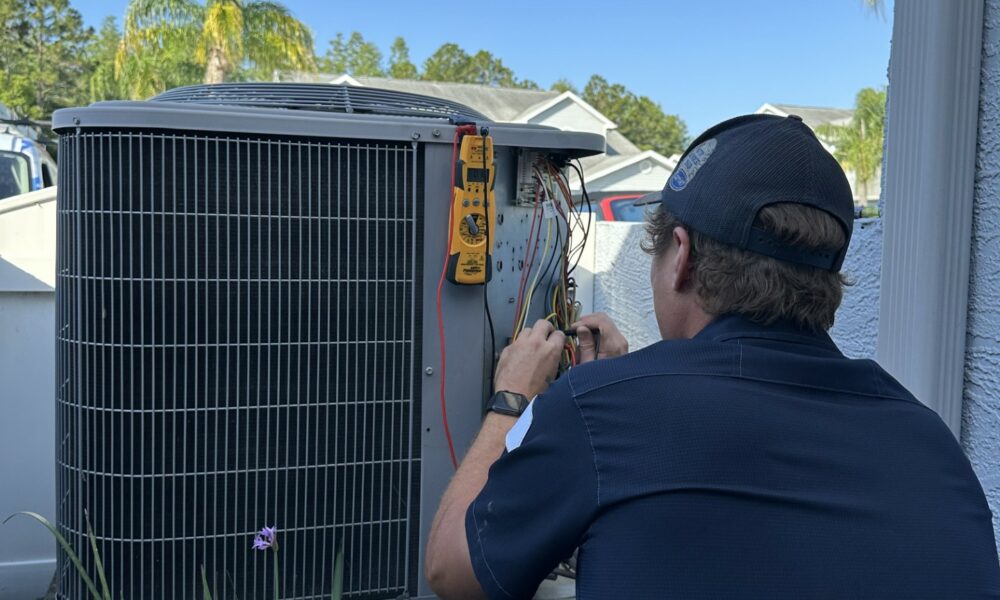
Roofers sometimes disconnect power to nearby units for safety—but if it’s not properly restored, your AC might fail to start. In some cases, vibrations or accidental contact can loosen electrical connections, leading to tripped breakers or blown fuses.
Water Leaks
If new roof flashing or sealant isn’t properly installed around HVAC penetrations, rainwater can seep into your system. Moisture inside electrical compartments or air handlers can lead to short circuits or corrosion over time.
Bottom Line
If your AC starts acting up after roof repairs, schedule an inspection with Service Champions. Our expert technicians can quickly find and fix the problem, ensuring your system runs smoothly and efficiently again.