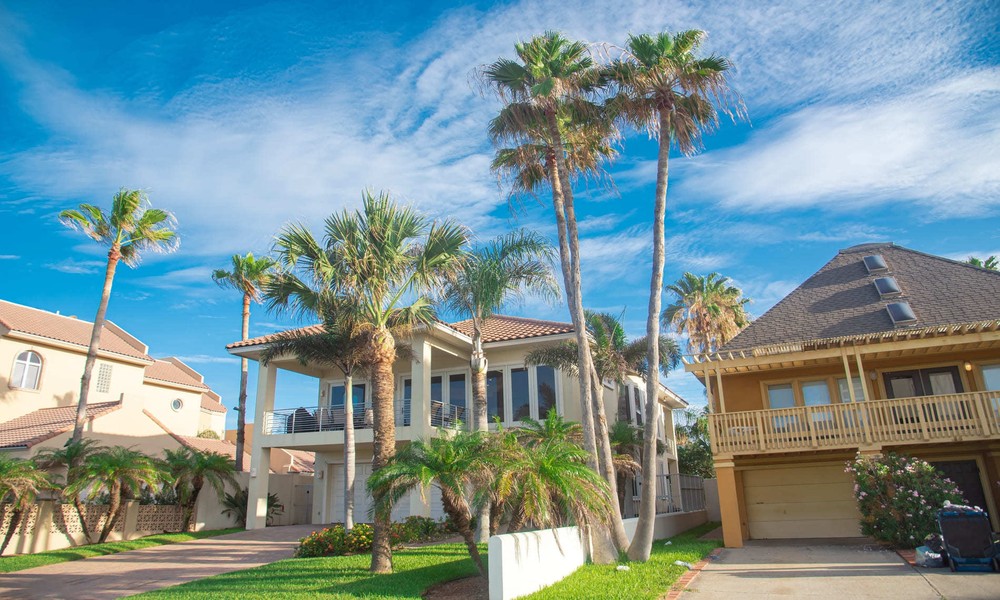

Buying a home on Florida’s Gulf Coast is a dream for many people. With warm weather, beautiful beaches, boating access, relaxed communities, and year-round outdoor living, the area offers a lifestyle that is hard to match. Whether you are relocating from another state, purchasing a vacation home, downsizing near the water, or looking for your next investment property, the Gulf Coast has a lot to offer.
But buying a home in a coastal Florida market also comes with important considerations. The right home is not just about square footage, price, or curb appeal. Buyers need to think about location, insurance, flood zones, property maintenance, lifestyle needs, and long-term value.
Before making a move, here are several key things to know before buying a home on Florida’s Gulf Coast.
1. Every Gulf Coast Community Has Its Own Personality
One of the biggest mistakes buyers make is assuming that all Gulf Coast towns and neighborhoods are the same. In reality, each community has its own pace, style, amenities, and housing options.
Some areas are known for quiet residential streets and family-friendly neighborhoods. Others appeal to boating enthusiasts, retirees, seasonal residents, or buyers looking for walkable access to dining, beaches, and entertainment. Some communities offer newer construction and planned amenities, while others feature established homes with mature landscaping and a more traditional Florida feel.
Before choosing a home, take time to compare communities based on your lifestyle. Do you want to be close to the beach? Do you need easy access to healthcare, schools, shopping, or major roads? Are you looking for a quiet neighborhood or a more active social environment?
If you are still comparing areas, the RE/MAX Gulf Coast Living neighborhood guide can be a helpful starting point for exploring local communities and narrowing down which Gulf Coast location may be the best fit.
2. Flood Zones Matter
When buying property near the coast, flood zones are an important part of the decision-making process. A home’s flood zone can affect insurance requirements, monthly costs, resale value, and your overall comfort level as a homeowner.
Not every Gulf Coast home is in a high-risk flood zone, but many coastal and low-lying areas do require careful review. Buyers should look at FEMA flood maps, elevation information, past storm history, and whether flood insurance is required by the lender.
It is also wise to ask whether the home has flood mitigation features, such as elevated construction, flood vents, newer drainage improvements, impact-resistant windows, or updated roofing. Even if a home is not directly on the water, flood risk should still be part of your due diligence.
3. Insurance Costs Can Vary Significantly
Homeowners insurance is another major consideration when buying on Florida’s Gulf Coast. Coastal properties may have higher insurance costs because of wind, storm, and flood exposure. Premiums can vary based on the home’s location, age, roof condition, construction type, elevation, and available wind mitigation features.
Before falling in love with a home, buyers should get insurance estimates early. This helps avoid surprises after making an offer. A home that looks affordable based on the purchase price alone may carry higher monthly ownership costs once taxes, insurance, HOA fees, and flood coverage are included.
A good real estate agent can help you ask the right questions, but buyers should also speak directly with qualified insurance professionals before finalizing a purchase.
4. Waterfront Homes Require Extra Due Diligence
For many buyers, owning a waterfront home is the ultimate Florida dream. Gulf access, canal frontage, boat docks, and sunset views can add tremendous lifestyle value. However, waterfront properties require additional research.
If boating is important to you, pay attention to bridge height, canal depth, dock condition, seawall condition, boat lift capacity, and how long it takes to reach open water. Not all waterfront properties offer the same type of boating access.
Seawalls and docks can also be expensive to repair or replace, so inspections are especially important. Buyers should understand the age and condition of these features before moving forward.
Waterfront homes can be excellent purchases, but they require a clear understanding of maintenance, insurance, permitting, and long-term upkeep.
5. Pay Attention to the Age and Condition of Major Systems
Florida’s climate can be tough on homes. Heat, humidity, salt air, heavy rain, and tropical weather can all impact building materials and mechanical systems over time.
When evaluating a home, pay close attention to the roof, HVAC system, plumbing, electrical panel, windows, doors, exterior paint, drainage, and pool equipment if applicable. In Florida, the age and condition of the roof can be especially important for both insurance and financing.
A thorough home inspection is essential. Depending on the property, buyers may also want additional inspections for mold, termites, seawalls, pools, septic systems, or wells.
A home that appears move-in ready may still have hidden costs if major systems are nearing the end of their useful life.
6. Consider Seasonal Traffic and Tourism
Many Gulf Coast communities experience seasonal changes in traffic, population, and local activity. During peak season, restaurants, beaches, roads, and shopping areas may be busier. During the off-season, the pace may feel quieter and more relaxed.
This seasonal rhythm is part of life in many Florida coastal communities. Some homeowners love the energy of peak season, while others prefer neighborhoods that remain quieter year-round.
If possible, visit the area at different times of the year before buying. A neighborhood that feels peaceful in the summer may feel very different during the winter season when part-time residents and visitors return.
7. Understand HOA Rules and Community Restrictions
Many homes on the Gulf Coast are located in deed-restricted communities, condominium associations, or homeowners associations. These communities may offer valuable amenities such as pools, clubhouses, gated entrances, landscaping, and maintenance services.
However, buyers should review the rules carefully. HOA or condo restrictions may affect rentals, pets, parking, exterior changes, boat storage, RV storage, landscaping, and more.
If you are buying an investment property or seasonal home, rental restrictions are especially important. Some communities allow short-term rentals, while others require minimum lease periods or prohibit rentals altogether.
Always review HOA documents, budgets, meeting notes, reserve funds, and fee history before closing.
8. Think About Long-Term Lifestyle, Not Just the House
The best home is not always the biggest, newest, or most impressive property. It is the home that fits your everyday life.
Before buying, think about your daily routine. How far do you want to drive for groceries, church, healthcare, school, work, or recreation? Do you want to spend weekends boating, golfing, walking the beach, visiting local restaurants, or enjoying a quiet backyard?
A home may check every box on paper but still be in the wrong location for your lifestyle. On the other hand, a slightly smaller or simpler home in the right neighborhood may offer a much better quality of life.
This is where local knowledge can make a major difference.
9. Work With Local Real Estate Professionals
Buying on Florida’s Gulf Coast is not the same as buying in every other market. Coastal real estate involves local factors that can affect both your purchase decision and long-term ownership experience.
A knowledgeable local real estate professional can help you compare neighborhoods, understand market trends, evaluate property features, and identify potential red flags. They can also connect you with local inspectors, insurance providers, lenders, and other professionals who understand the area.
For buyers exploring homes along Florida’s Gulf Coast, RE/MAX Gulf Coast Living is a valuable local resource for real estate guidance, community information, and support throughout the buying process.
Final Thoughts
Buying a home on Florida’s Gulf Coast can be an exciting and rewarding decision. The area offers sunshine, natural beauty, water access, and a lifestyle that attracts buyers from across the country.
At the same time, coastal homeownership requires careful planning. Buyers should look beyond the listing photos and consider flood zones, insurance, inspections, community rules, seasonal changes, and long-term lifestyle fit.
With the right preparation and the right local guidance, you can make a confident decision and find a Gulf Coast home that fits both your needs and your dreams.