
Importance of Veneer Cutting Techniques
The appearance of any veneer surface will depend not only on the species of the wood but also on the way the wood was sliced. There are many different ways to cut a log into veneer, each way creating a different appearance due to grain pattern, texture, and design that can determine the final look of a space. In residential spaces, many times you will find two predominant styles of veneer being used: flat cut and quarter cut.
Understanding Flat Cut Veneers
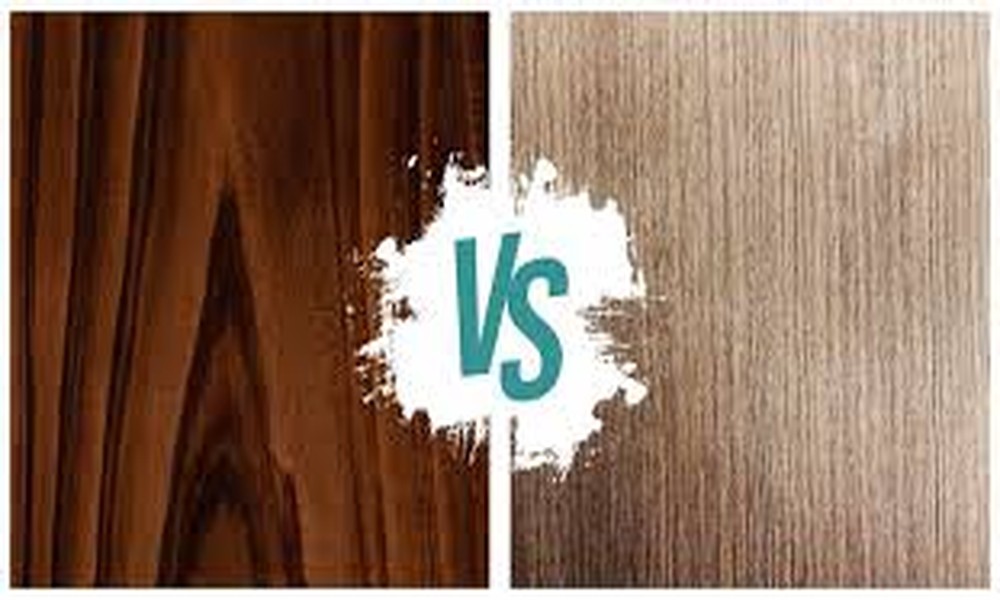
Flat cut veneers are created by slicing the log off parallel to the centre of the log, creating a broad and flowing grain pattern. This style of veneer is commonly referred to as having a cathedral grain due to the curves and elements it has on the surface of the veneer. This style of veneer is extremely popular for residential interiors because of the warmth and natural beauty it provides from the wood.
Characteristics of Flat Cut Veneers
The characteristics of a flat cut veneer are:
- Very bold grain movement
- Decorative grain patterns created with the natural characteristics of the wood
- Grain visibility with great depth
- Great variation in grain pattern
- Traditional feel of woody appearance
Understanding Quarter Cut Veneers
Flat cut veneers are typically used for wardrobes, wall panelling, luxury furniture, designer doors, bedrooms, and hospitality designs.
In contrast, quarter-cut veneer is produced by first dividing a log into four quarters and then slicing it perpendicular to the growth rings. This type of veneer creates a straighter, cleaner, and more consistent grain, creating a refined, architecturally based veneer.
Characteristics of Quarter Cut Veneers
The characteristics of quarter-cutt veneers are:
Quarter cut veneers are typically used in premium office buildings, contemporary architecture, modern furniture pieces, wall cladding, or minimal-designed interiors where straight lines and equal grain pattern consistencies are desired.
Choosing between quarter-cut and flat-cut veneers
The decision to use quarter-cut veneer or flat-cut veneer primarily depends on the desired style of an interior room. Flat cut veneers are suitable for the warm and decorative styles of interior design that highlight the natural beauty of the wood, whereas quarter cut veneers are better suited to contemporary and structured styles of interiors that require visual balance and sophistication.
Conclusion
The veneer collections offered byRoyale Touche provide an extensive array of quality wood veneers developed with advanced cutting and manufacturing technology for luxury and architecturally refined interiors. which allows the designer to design either luxury style decorative interiors or high-end architecturally refined interiors that reflect the beauty of the appropriate wood.