
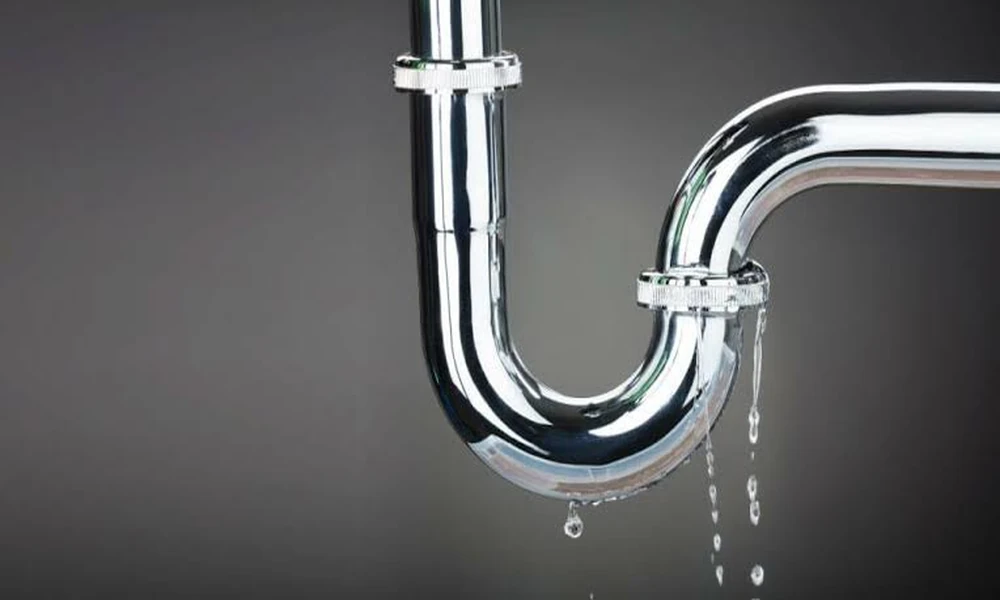

A hidden leak almost never shows itself where it actually started. Water runs along copper lines, soaks into drywall, wicks through concrete and follows framing before it finally appears as a ceiling stain or a soft spot in the baseboard. By then, the visible damage is a symptom sitting some distance away from the cause. Finding the real source is less about guessing and more about drawing a wide circle around the whole property, then tightening it step by step until only one joint, fitting or pinhole remains.
Homeowners throughout Palm Beach County and the northern part of Broward have relied on Leak Pros & More for exactly this kind of narrowing for more than twenty years. Working out of Boca Raton and taking calls at any hour, the team tracks leaks with acoustic listening equipment, thermal imaging, moisture meters, sewer cameras and smoke testing, then explains the cause and walks through repair options before a single wall gets opened.
What follows is the search the way it should unfold, starting at the curb and ending at the exact spot where a floor or wall needs to come apart.
The Meter Speaks Before Anything Else Does
Every good leak search starts outside at the water meter, because it is the one device that sees all the water entering the home. Most residential meters carry a small triangle or dial called a low flow indicator, which spins even when the leak is tiny.
- Shut off every fixture and appliance that uses water, including irrigation, the ice maker and the washing machine.
- Lift the meter box lid and watch the low flow indicator for several minutes.
- If it moves, close the main house valve and watch again.
- Movement that continues with the house valve closed points to the buried service line between the meter and the house.
That last result matters for more than repairs. The Village of Tequesta utility in Palm Beach County explains in its guide to checking for leaks that anything on the customer side of the meter becomes the owner’s responsibility, and its figures show how quickly small openings add up. A hole just one eighth of an inch wide at normal household pressure can waste more than 3,000 gallons a day, which explains why a shocking bill is often the first clue anyone notices.
Splitting the House Into Smaller Suspects
Once the meter confirms water is escaping somewhere past the house valve, the next move is isolation. Think of the plumbing as a set of separate branches, each one either cleared or kept on the suspect list.
Irrigation zones are easy to rule out by closing their valve and rechecking the meter. Pool auto fill lines, very common across South Florida, can leak underground for months while the pool level looks perfectly normal. Toilets deserve their own test, since a worn flapper can drain water silently into the bowl. A few drops of food coloring in the tank and fifteen minutes of patience will reveal it.
There is also a distinction many homeowners miss. A spinning meter almost always means a pressurized supply line is leaking. Drain and sewer leaks behave differently, because they only release water when someone runs a tap, flushes or showers. A drain problem may leave the meter perfectly still while still rotting a cabinet floor or soaking the soil under a slab, so it calls for a different set of tools later in the search.
Clues That Arrive Through Your Own Senses
Before any equipment comes out, the house usually offers hints of its own.
- A hissing or trickling sound inside a wall when every faucet is closed.
- A warm patch on tile or wood flooring, often a sign of a hot water line leaking beneath the slab.
- A sewer smell in a bathroom with no clogged drains.
- Paint that bubbles, baseboards that swell or grout lines that stay dark long after mopping.
- Musty odors in closets that share a wall with a bathroom or kitchen.
Each of these points toward a room, and sometimes toward a specific line. A warm floor suggests hot supply. An odor suggests the drain or vent side. Combining them with the meter results can shrink the search from an entire house to a single wall or floor section.
Why South Florida Homes Make Leaks Harder to Spot
Local construction adds its own complications. Most homes in the region sit on concrete slabs with supply and drain lines running underneath or through the foundation. Water escaping below a slab often has nowhere visible to go, and sandy soil absorbs it readily, so a slab leak can run for a long time without ever puddling.
Older neighborhoods bring another layer. Homes built several decades ago frequently still carry cast iron drain lines, which corrode from the inside and crack or scale without any outward sign. Copper supply lines can develop pinholes over time, especially where water chemistry is aggressive. Add constant humidity, which makes a bit of dampness feel normal, and it becomes clear why so many leaks here are discovered late.
Instruments That Close the Final Gap
Professional detection is really about turning a room sized suspicion into a spot the size of a dinner plate. Technicians usually layer several tools to get there.
Acoustic equipment listens through floors and walls for the specific sound pressurized water makes as it escapes, separating it from the normal hum of flowing pipes. Thermal imaging cameras read temperature differences across surfaces, so a hot line leaking under tile or a cold, wet section of drywall shows up clearly without touching anything. Moisture meters then confirm what the camera suggests by measuring how much water a material is actually holding.
The drain side needs its own approach. A sewer camera fitted with a locating transmitter travels through the line, recording roots, offset joints or cracked pipe, while a receiver above ground marks the exact position and depth. Smoke testing pushes harmless artificial smoke through the drain and vent system, revealing breaks and the sources of sewer gas odors that would otherwise be nearly impossible to trace.
Pressure testing ties everything together. By isolating hot and cold lines and watching which one loses pressure, a technician can confirm the faulty branch before using the listening gear to pinpoint it.
From a Marked Spot to a Repair That Holds
Once the source is marked, the choice of repair depends on the pipe, its age and its location. A single pinhole in an otherwise healthy line can often be fixed by opening a small section of slab or wall. When a line has failed more than once, rerouting it through the attic or walls avoids future digging under the foundation entirely. In homes where corrosion has spread through the whole system, a full repipe may be the more honest long term answer.
Documentation matters at this stage too. Thermal images, camera footage and moisture readings give homeowners a clear record of what happened and where, which helps when speaking with insurers and when comparing repair approaches. A leak that has been properly located, explained and recorded is far less likely to return as a second mystery a few years down the road.


