
Pest problems don’t discriminate by property age, but the specific vulnerabilities differ enormously between a newly constructed London flat and a Victorian terrace that’s stood for well over a century. Understanding these differences helps target pest-proofing efforts where they’ll actually make a difference.
New Builds: Fewer Obvious Gaps, But Not Immune
Modern construction methods generally result in tighter building envelopes, with fewer of the obvious gaps and cracks that older properties accumulate over decades. That said, new builds aren’t automatically pest-proof. Gaps around new pipework, cable entry points and poorly sealed utility connections still provide access, particularly during the settling period in the first year or two after construction, when minor movement can open small gaps that weren’t there initially.
Shared Walls and Communal Areas in New Developments
Many new London builds are flats within larger developments, which introduces a different risk entirely. Pests can travel between units through shared service ducts, communal bin areas and connecting corridors, meaning even a well-sealed individual flat can face pest pressure originating from elsewhere in the building. This makes cooperation with building management and neighbours considerably more relevant in new developments than in a standalone older property.
Older Properties: More Entry Points, More History
Period London properties, whether Victorian, Edwardian or earlier, have had decades to develop gaps around old pipework, ill-fitting doors, deteriorated brickwork and settled foundations. That creates small but significant access points. Original sash windows, common throughout much of London’s older housing stock, often have gaps around the frames that provide easy entry for insects and, in ground floor properties, occasionally rodents too.
Structural Quirks That Attract Pests
Older properties frequently have suspended timber floors with voids underneath, chimneys that may no longer be in regular use, and cellars or basements prone to damp. Each of these features creates an environment pests find attractive, whether that’s warmth, shelter or simply an easy route into the main living space. Cavity walls in slightly newer older properties can also provide a hidden highway for pests to move between floors undetected.
Different Approaches for Different Ages
Pest proofing in London properties needs to reflect these structural differences rather than applying a single generic approach regardless of building age. New builds benefit most from checking seals around modern utility penetrations and coordinating with building management on communal pest issues. Older properties need a more thorough audit of historical gaps, deteriorated pointing, and structural features like disused chimneys that create long-term vulnerabilities.
Seasonal Patterns Affect Both Equally
Regardless of a property’s age, pests become more determined to find indoor access as temperatures drop in autumn and winter. Older properties, with their greater number of existing gaps, tend to see this seasonal pressure more acutely, but new builds aren’t exempt, particularly if any of those early settling gaps haven’t been identified and sealed.
Getting a Proper Assessment
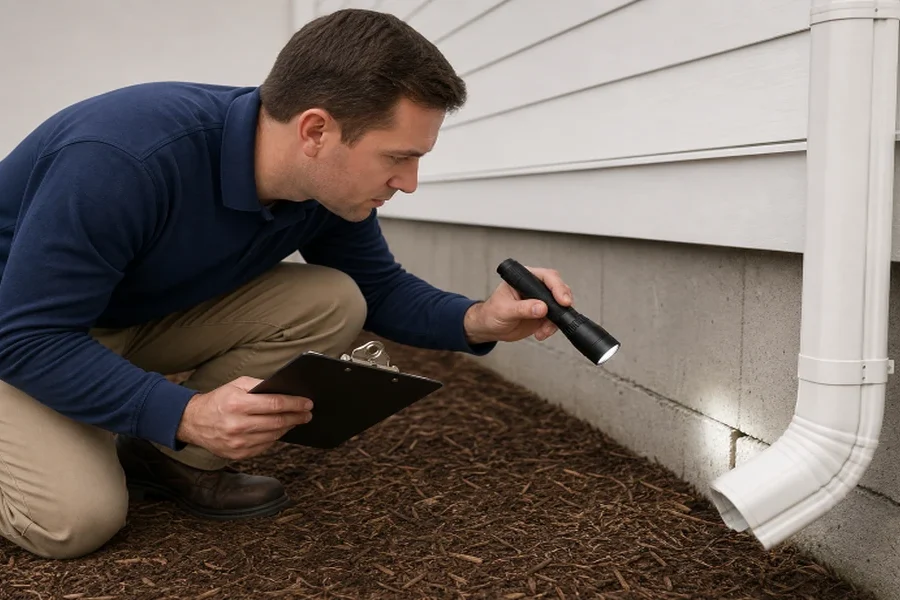
The best starting point for either property type is a thorough inspection that identifies specific vulnerabilities rather than assuming a generic checklist applies equally everywhere. A newly built flat and a hundred-year-old terrace face genuinely different risks, and pest-proofing that reflects those differences works considerably better than a one-size-fits-all approach.