
Furniture pieces can be great design objects if they are arranged properly in terms of the use of materials, colors, or patterns. Geometric stick marquetry allows the combination of different pieces of veneer to create beautiful decorative designs. The method gives uniqueness to every piece of furniture or door that is made of it while keeping the beauty of natural wood intact.
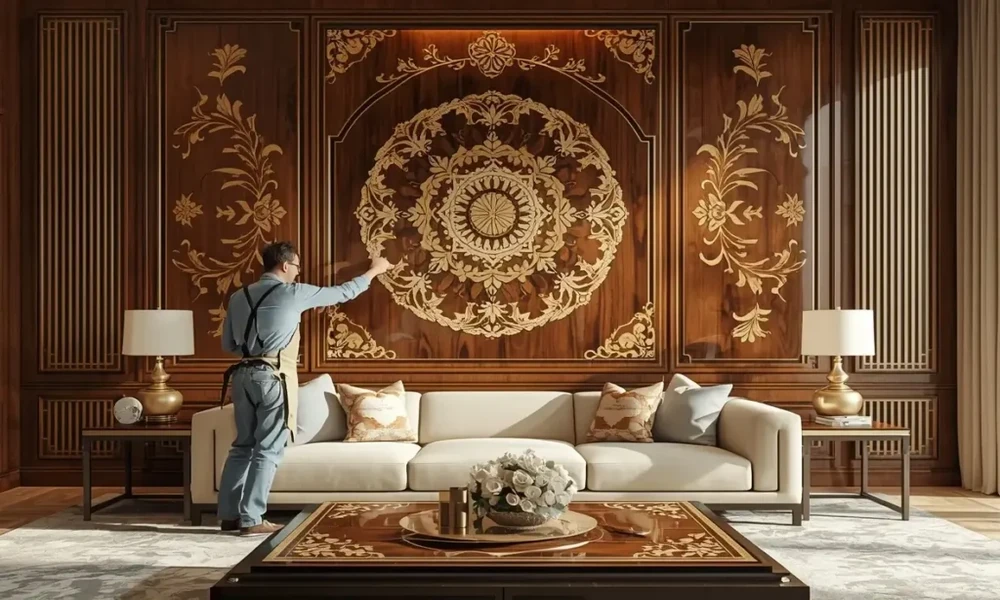
Unlike just veneered surfaces, marquetry consists of pieces arranged intelligently into patterns that have something to do with the furniture’s shape. It can present very nice soft symmetrical patterns, or quite bold geometric designs.
The Craft Behind Geometric Veneer Patterns
Marquetry consists of the process of assembling thin pieces of veneer together to create decor for furniture. Shapes like triangles, diamonds, chevrons, and squares can be used together with various directions of the wood grain, creating the kind of visual detail found in decorative veneer . The difference in color of the wood enhances the final product.
Creating veneer marquetry patterns requires a lot of considerations. It is necessary to take into account the size of the project, the direction of the grain, as well as the way pieces fit into each other. Smaller repeating shapes would fit well into the design and bigger patterns would help to make furniture like cutting boards and cabinets to look more interesting. Geometric wood inlay design using chevrons gives an impression of motion, diamonds create balance, and lines supplement spaces of architecture. They may be applied to tables, consoles, buffets, or even decorative wall panels. Using contrasting colors gives a more striking result, but using the same shades gives a more subtle pattern that accentuates the wood structure itself.
Parquet-Inspired Patterns for Bespoke Furniture
The parquet style of flooring has always been recognized for its geometrical patterns that can be inspiring in furniture veneers types of veneer sheets including natural, engineered and recon options to understand which species, grain directions and colour contrasts work best for herringbone, chevron and diamond marquetry patterns on furniture surfaces. Parquet pattern veneer furniture makes use of such designs as herringbone, chevron, or multilayered slabs to give rhythm and texture to tabletop surfaces, cabinets, and other storage pieces.
The design size should match the furniture size: larger graphics usually fit well with larger furniture items like dining tables or buffets, while smaller graphics can be used in compact cabinets and decorative elements. It is a good idea to keep other surfaces plain so that the patterned veneer can be more visible and the interior is not overloaded.
Handcrafted Veneer for Wardrobe Doors
Wardrobe doors can be used for creating wonderful geometric motifs in veneer marquetry. Handcrafted veneer wardrobe doors can be made with symmetrical patterns, contrasting shades of wood, and continuous graphics used on the adjacent sides of the wardrobe. The design features of the veneer pattern remain in place thanks to the integrated hardware and handles, plus the coordination of the finish with the bedside furniture, dresser units,s or any other wooden materials, ensuring a continuity of the effect. However, as natural wood has different colours and grain patterns, it is advisable to check the aesthetic outcome before proceeding with the production process.
Material Selection and Finishing Details
The final quality of the veneered surface will depend on the proper veneer choice and the use of proper cutting and applying technologies. There are various wood species that offer various grain patterns and colours, so it is necessary to take a look at different samples of the wood under the light in the room where the veneer will be used. The wood panel itself must be appropriate for the design.
The finishing process affects the visual properties of the veneered surface as well as maintenance efforts. Matt finish provides a subdued effect, while gloss coats enhance colour variations. All joints must be very neat, and the veneers must be aligned accordingly for the furniture that will be used frequently, like wardrobe doors.
Application of Marquetry in Interior Design
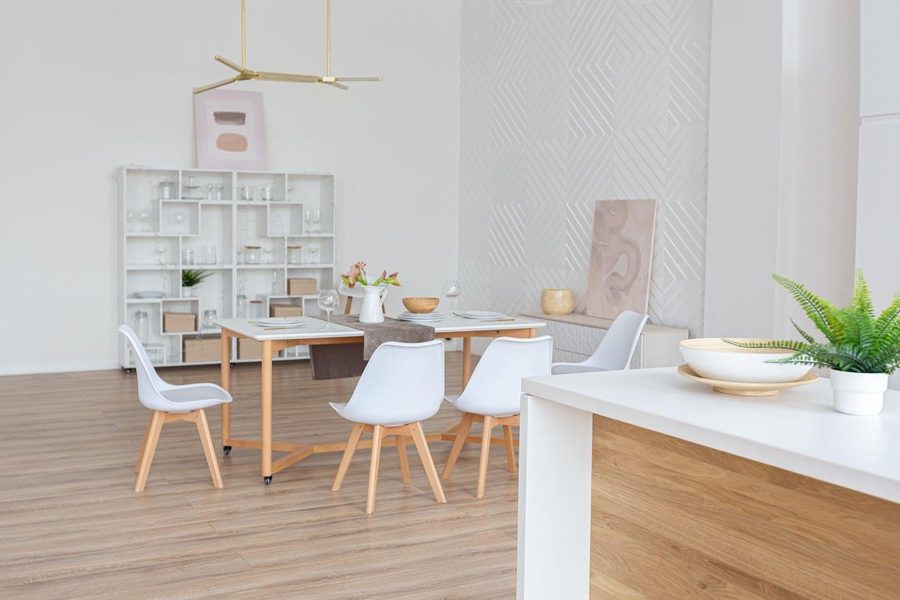
Geometrically designed veneers work best when combined with the right surrounding furniture and materials. While a decorative sideboard with the veneer design might be used against a simple wall, the dining table made of the marquetry veneer can be paired with simple chairs so as to focus on the tabletop. Decorative doors can add details in the bedroom design scheme without using special patterns on walls.
The colours of the veneered wood must match the tones of the floor and the walls. Combining the veneered materials with plain surfaces creates visual interest and harmony of design.
Conclusion
Geometrically designed marquetry veneers meet the beauty of natural wood with the precision of workmanship, enabling the designer to have unique pieces of furniture or doors made. There are a great number of various designs, starting from parquetry to some items made according to special orders. With the right choice of pattern and finishing materials, as well as proper manufacturing, marquetry can help give any item individual value.