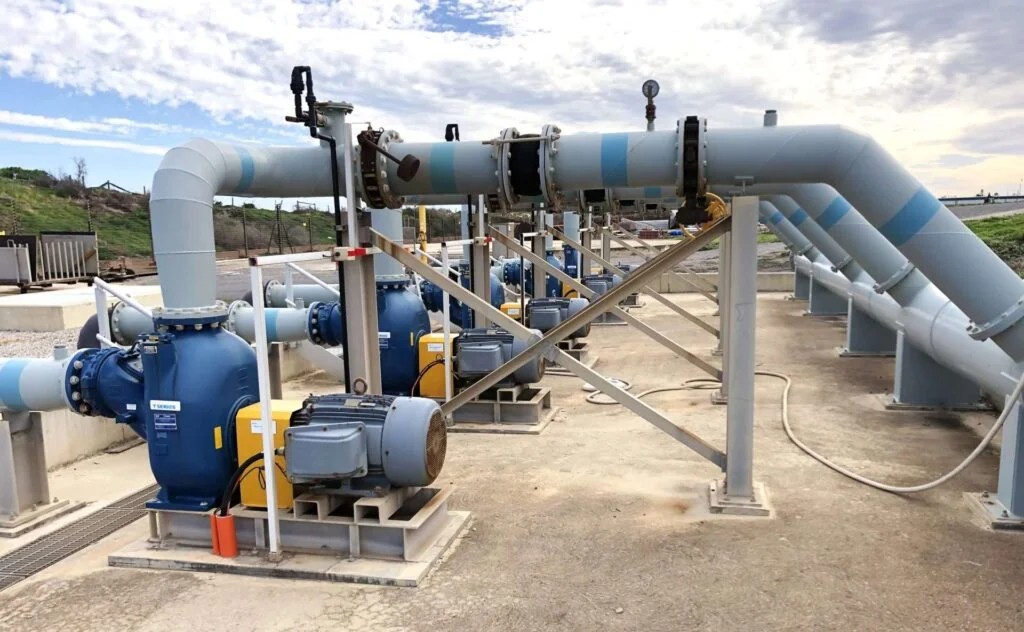

Water removal is a routine necessity on both construction and agricultural sites, but it’s rarely clean, easy, or predictable. Mud, grit, silt, leaves and even small stones often come with the territory. That’s why dirty water pumps, specifically designed to handle contaminated or debris laden water, are a key piece of kit for site managers, farmers and contractors alike.
This blog breaks down why dirty water pumps are so essential, how they differ from standard drainage pumps and what to look for when choosing one.
What Makes a Pump Suitable for Dirty Water?
Unlike clean water pumps, which are built for minimal debris, dirty water pumps have features that help them cope with solids and sediment. These include:
- Wider inlets and outlets to allow debris to pass through
- Heavy-duty impellers that can handle grit or small solids
- Reinforced casings to withstand wear from abrasive materials
- Thermal or overload protection to prevent motor burnout
The result is a robust unit that can keep working even in the messiest conditions.
Typical Applications
Dirty water pumps are used across many industries, but two of the most common environments are:
1. Construction Sites
Excavations, footings and trenches often fill with rainwater, slurry, or ground runoff. Using a clean water pump in these conditions can lead to clogging and early failure. A dirty water pump can keep work moving without constant supervision or cleaning.
2. Agricultural and Farm Settings
Livestock yards, irrigation pits, or flooded outbuildings can all involve contaminated water. Pumps used in these scenarios must tolerate organic waste and sediment without damage.
Key Benefits on Site
- Reduced downtime: Less chance of clogging means fewer interruptions to work
- Longer service life: Built to withstand tougher conditions
- Versatility: Many models can handle both dirty and clean water if needed
- Time-saving: No need for pre-filtering or frequent manual clearing
Choosing the right model can also reduce maintenance costs and improve safety by keeping walkways and work areas free from standing water.
What to Look For
When selecting a dirty water pump, consider:
- Maximum particle size it can pass (e.g. up to 35mm for some submersibles)
- Flow rate and lift capacity suited to the depth and volume of your site
- Portability if it needs to move between jobs
- Power source, particularly for remote or off-grid locations
- Auto float switch for hands off operation when water reaches a certain level
A wide selection of dirty water submersible pumps is available for both industrial and light-duty use, making it easier to find a fit for your working conditions.
Final Thoughts
Whether you’re draining a trench full of runoff or clearing a flooded stable, a reliable dirty water pump can make a messy job much more manageable. Built for tough environments, these pumps protect your time, equipment and bottom line.