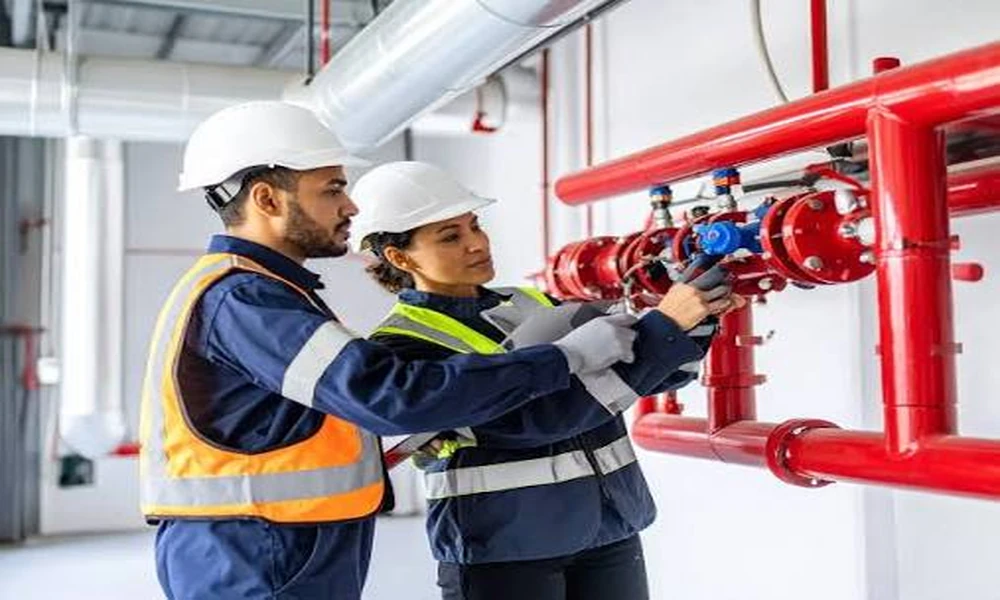

When a routine maintenance check or an unexpected pressure drop reveals that your building’s sprinkler riser has failed, the panic hits immediately. The sprinkler riser is the beating heart of your entire fire suppression system it houses the main control valves, water flow switches, and backflow preventers.
Deploying fast fire watch guards is your crucial first line of defense to keep your property compliant and safe while technicians work on repairs. Leaving the building without human oversight during a main line shutdown exposes your occupants to immense risk and leaves your business vulnerable to severe regulatory fines or mandatory evacuation orders. By securing prompt, specialized coverage, you maintain a continuous safety net across all affected zones until water pressure is fully restored.
If that single vertical pipe goes offline, your entire building’s automated defense against fire is instantly compromised. Local fire codes do not care that you are waiting on replacement parts; they demand human intervention right now. Here is what property managers need to arrange the second a sprinkler riser goes down.
Dialing Emergency Dispatch for Certified Coverage
The moment your plumber or fire systems technician confirms the riser is dead, you cannot wait around. Call your pre-vetted fire watch provider immediately.
Do not look for generic security guards who specialize in checking office doors or parking garages. Riser failures require specialized fire watch personnel who understand how to monitor compromised fire suppression grids, spot rapid temperature anomalies, and maintain strict logbooks that satisfy local fire marshals. Confirm their exact arrival time before you hang up.
Posting Guards at High-Risk Vulnerability Zones
A broken sprinkler riser usually means that every single sprinkler head across multiple floors or zones is completely dry. A single guard standing by the front desk is useless when half the building lacks fire suppression.
- The Main Control Room: Station a guard near the failed riser or main alarm panel to monitor secondary warning lights and assist incoming fire department personnel.
- Active Hazard Areas: Rotate patrols through high-risk zones like commercial kitchens, laundry facilities, chemical storage rooms, and active construction bays where sparks or heat can quickly trigger a disaster.
Setting Up Continuous, Round-the-Clock Shifts
A failed sprinkler riser is rarely fixed in a quick two-hour window. Sourcing replacement valves, heavy-duty commercial pipes, or specialized fittings can take days, meaning your building needs uninterrupted 24/7 watch coverage until the system passes re-inspection.
Arrange rolling shifts with your security provider so guards never pull back-to-back doubles that lead to exhaustion. Fresh eyes must cycle through every hour to ensure nobody misses a faint smell of smoke or an unusual electrical hum in the walls.
Locking Down the Paper Trail for the Fire Marshal
When a sprinkler riser goes down, local fire authorities will almost certainly drop by unannounced to inspect your compliance. They expect to see meticulous, time-stamped logs proving that trained eyes have been walking the property continuously.
Ensure that the team uses digital logging tools that record exact patrol start times, zones inspected, and any minor issues spotted along the way. Handing the fire marshal an immaculate logbook shows you are managing the emergency professionally while your technicians work to bring the water pressure back up.
Summary
A failed sprinkler riser is a high-stress crisis, but it doesn’t have to turn into a disaster. By following these strategies, you protect your property and keep everyone safe until the water flows again.