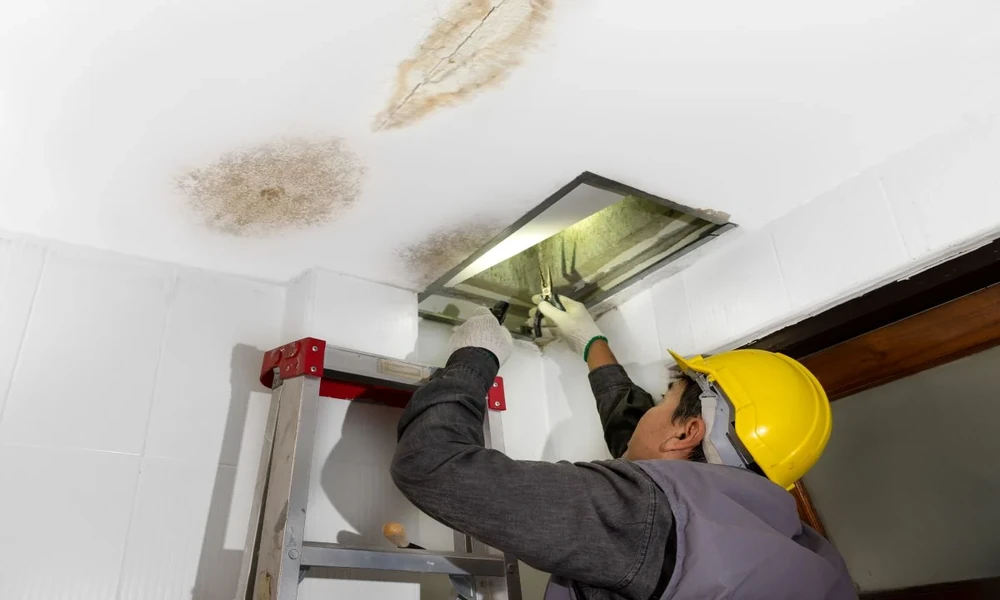

Most homeowners judge a roof from the driveway. The shingles look flat, the gutters hang straight, and nothing drips in the living room, so the roof must be fine. The problem is that roofs often fail from the inside out. The first evidence rarely shows on the shingles. It shows up in the attic, sometimes months before a brown ring appears on a bedroom ceiling.
Roofers who work on older homes see this pattern all the time. Owner-operated contractors such as Titan Exterior Solutions, based in North Haledon, look at the attic, flashing, decking and ventilation before they write up any estimate. What is happening on the shingles is often just the last chapter of a story that started underneath them.
North Jersey makes this habit worth learning. Winters swing between hard freezes and thaw days. Nor’easters push rain sideways. Much of the housing in Passaic, Bergen, Morris and Sussex counties is decades old, with attics that were insulated and vented to older standards. Late fall, before the first real snow, is the best time to take a look.
Picking the Right Moment to Go Up
Timing matters more than most people think. Two visits tell you far more than one.
The first should come on a cold morning after a clear night. That is when moisture problems show themselves. The second should come during or just after a steady rain, when active leaks are easiest to trace.
Keep the kit simple:
- A bright flashlight or headlamp
- Gloves and a dust mask
- Your phone, for photos you can compare later
- A screwdriver to test wood that looks suspicious
Step only on the joists or on boards laid across them. The drywall between them will not hold your weight.
Frosty Nail Tips Point to Warm Air Leaks
Look up at the underside of the roof deck. You will see the tips of roofing nails poking through. On a cold morning, many homeowners find a white coat of frost on them.
That frost is household moisture. Warm, humid air from showers, cooking and breathing rises into the attic through gaps in the ceiling below. It reaches the cold nails and freezes. When the sun warms the roof, the frost melts and drips onto the insulation. This dripping is often mistaken for a roof leak, even when the shingles are perfectly sound.
Rust rings around the nail tips mean this has been going on for several winters. The usual culprits are recessed light fixtures, the attic hatch, plumbing vent pipes, wiring holes, and gaps around the chimney chase. The ENERGY STAR program explains that sealing these attic air leaks, together with proper insulation, also helps reduce ice dams. That makes it one of the more useful jobs a homeowner can take on before winter.
Stains on the Deck Show Where Water Gets In
Next, scan the plywood or plank boards for dark streaks and water rings. Pay close attention to the areas below the chimney, around plumbing vent stacks, along valleys where two roof slopes meet, and around skylight openings.
Water rarely drips straight down. It runs along a rafter or the underside of the deck and then falls somewhere else. A stain directly over your closet may actually start at a flashing joint three feet higher up. Follow the trail upward to its highest point.
You also need to know whether a stain is old or active. Old stains are dry, faded and firm. Active ones feel damp, look darker after rain, or have soft edges. Press the screwdriver into the wood. If it sinks in easily, the decking has started to rot. That changes the conversation from a simple shingle repair to replacing part of the roof deck.
Daylight Is Not Always Bad News
Seeing light in an attic can be alarming, but context matters. A thin line of daylight along the peak usually comes from a ridge vent, and that is exactly what it is designed to do. Light at the soffits along the eaves often means the intake vents are open and working.
Daylight in other places is a different story. Pinpoints in the middle of a roof slope, light around the chimney, or a bright gap where a vent pipe goes through the deck all mean water can get in wherever light can. Mark these spots in your photos.
Insulation Holds Clues of Its Own
Insulation records the attic’s history. Patches that are matted down, darker or clumped have usually been wet at some point. Look directly above those spots to find out why.
Then check the eaves. In many older North Jersey homes, insulation has been pushed against the soffits and blocks the vents that bring cold air into the attic. When that happens, heat from the house builds up under the roof deck. Snow melts on the upper roof, runs down to the cold overhang, and freezes again. That is how ice dams form. Once water pools behind that ridge of ice, it can work its way under the shingles and into the walls.
An ice barrier membrane under the lower courses of shingles limits the damage. The lasting fix, though, is keeping the roof deck cold, with good air sealing, enough insulation and clear airflow from the soffits to the ridge.
Bathroom Fans and Other Uninvited Moisture
Follow the duct from every bathroom fan. Surprisingly often, it ends in the middle of the attic instead of running to a vent on the roof or wall. Every hot shower then sends a cloud of steam straight into the coldest part of the house.
The signs are hard to miss once you look for them: a musty smell, black speckling on the north side of the deck, or rusty nails clustered around one spot. Dryer vents and kitchen exhaust ducts can cause the same problem. Rerouting a duct costs very little compared with replacing moldy sheathing.
Turning Attic Notes Into Roof Decisions
Once you are back on the ladder, sort what you found by scale. Frosty nails and blocked soffits usually point to air sealing and ventilation work, not a new roof. One stain beneath a chimney or vent pipe usually means a flashing repair. Soft decking across several areas, sagging between rafters, or stains on more than one slope suggest the roof is near the end of its life. That calls for a full replacement discussion, including how much of the deck may need new wood once the old shingles come off.
Share your photos with whoever inspects the roof, and ask them to go into the attic as well. A good inspector will compare what is happening on top with what is happening underneath. A roof that looks tired from the street may still have years left, and one that looks fine may already be rotting at the deck.
Ten minutes in the attic each fall is a small habit. In a region where one January thaw can turn a hidden problem into a ruined ceiling, it is also one of the cheapest forms of protection a homeowner has.