
Every homeowner will eventually face unwelcome guests of the six-legged or furry variety. Understanding which pests are most likely to invade your space and implementing proactive prevention strategies can save you from costly infestations and the stress that comes with them. Year-round vigilance is key to maintaining a pest-free home, and knowing your enemy is the first step in the battle.
Ants: Tiny Invaders with Big Appetites
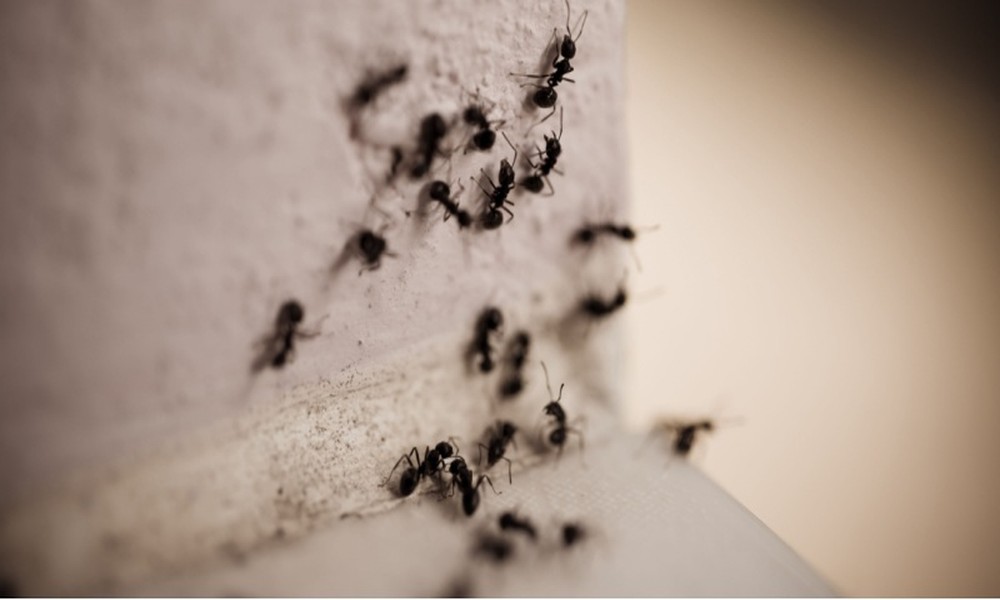
Ants rank among the most persistent household pests, with several species commonly entering homes in search of food and water. Carpenter ants can cause structural damage by hollowing out wood for their nests, while odorous house ants contaminate food sources and create unsightly trails across countertops and floors.
Prevention starts with eliminating their food sources. Store pantry items in airtight containers, wipe down surfaces immediately after meal preparation, and never leave dirty dishes sitting overnight. Seal cracks and crevices around windows, doors, and foundation walls where ants typically enter. Keep tree branches trimmed away from your home’s exterior, as these serve as highways for ant colonies to access your roof and attic spaces.
Cockroaches: Resilient Nighttime Nuisances
Few pests inspire more disgust than cockroaches, and for good reason. These resilient insects carry bacteria that can contaminate food and trigger allergies and asthma symptoms. German cockroaches are particularly problematic in kitchens and bathrooms, while American cockroaches often enter through drains and sewer connections.
Maintaining a clean home is your best defense against cockroaches. Take out garbage daily, clean behind appliances regularly, and fix any leaky pipes or faucets that provide water sources. Cockroaches are primarily nocturnal, so if you spot them during daylight hours, you likely have a significant infestation that requires professional attention from experts like Hot Bugz who can implement comprehensive treatment plans.
Rodents: Destructive and Disease-Carrying
Mice and rats pose serious health risks while causing considerable property damage. They gnaw through electrical wiring, insulation, and even plastic pipes, creating fire hazards and water damage. Their droppings contaminate surfaces and can spread diseases like hantavirus and salmonella.
Year-round rodent prevention requires a multi-faceted approach. Seal any openings larger than a quarter inch, as mice can squeeze through surprisingly small gaps. Install door sweeps on exterior doors and repair damaged screens. Keep firewood stored at least 20 feet from your home and elevated off the ground. Store pet food in sealed containers and avoid leaving food bowls out overnight. Maintain organized storage areas in garages and attics, as cluttered spaces provide ideal nesting spots.
Termites: Silent Home Destroyers
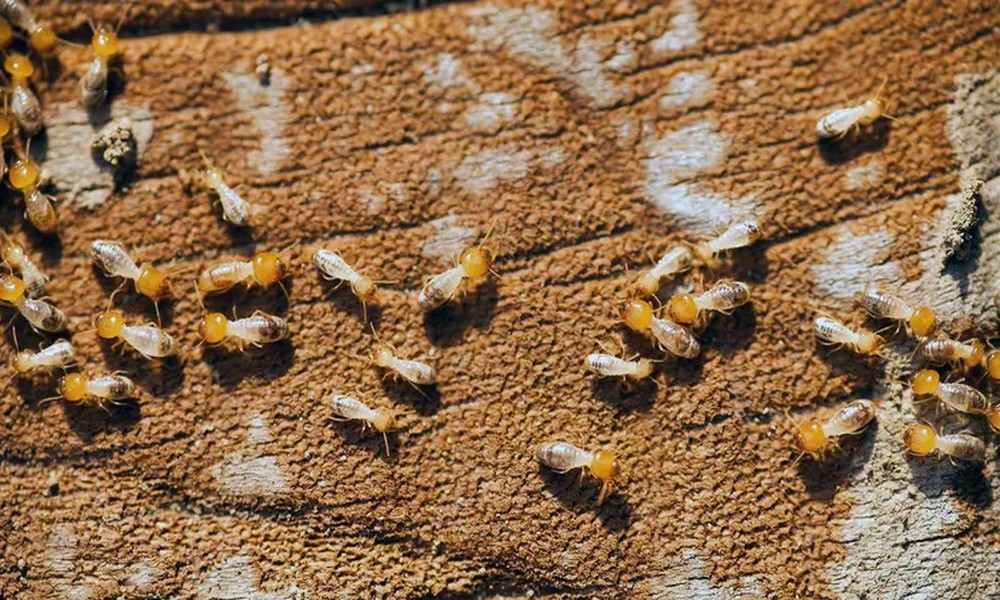
Termites cause billions of dollars in property damage annually, often going undetected until significant structural harm has occurred. Subterranean termites are the most common type, building mud tubes along foundation walls to access wood in your home’s structure.
Prevention focuses on eliminating moisture problems and wood-to-ground contact. Ensure proper drainage around your foundation and fix any roof leaks promptly. Remove dead trees, stumps, and wood debris from your property. Store lumber and firewood away from your home’s exterior. Schedule annual termite inspections, as early detection is crucial for minimizing damage and treatment costs.
Spiders: Eight-Legged Houseguests
While most spiders are harmless and even beneficial by eating other insects, homeowners generally prefer them to stay outdoors. Certain species like black widows and brown recluses do pose health risks and should be taken seriously.
Reduce spider populations by eliminating their food source, which means controlling other insect pests. Regular vacuuming removes webs, egg sacs, and spiders themselves. Reduce outdoor lighting that attracts the insects spiders feed on, or switch to yellow bulbs that are less attractive to bugs. Seal cracks around windows and doors, and install tight-fitting screens on vents and chimneys.
Bed Bugs: The Hitchhiking Pest
Bed bugs have made a significant comeback in recent years, infesting homes regardless of cleanliness. These parasites feed on human blood and can cause itchy, uncomfortable bites.
Prevention requires vigilance when traveling. Inspect hotel rooms before unpacking, keep luggage elevated off the floor, and wash all clothing in hot water immediately upon returning home. When purchasing used furniture, thoroughly examine seams, crevices, and cushions for signs of bed bugs. Use protective covers on mattresses and box springs to eliminate hiding spots.
Creating a Comprehensive Prevention Plan
Year-round pest prevention requires consistent effort and attention to detail. Regular home maintenance, proper sanitation, and strategic landscaping choices all contribute to keeping pests at bay. However, even the most diligent homeowners may occasionally need professional assistance for comprehensive inspections and treatments. By staying informed about common household pests and their habits, you can take proactive steps to protect your home and family from these unwanted invaders throughout every season.