
Key Takeaways
- Hot, dry conditions can send pests indoors looking for water, cooler temperatures, food, and shelter.
- Prevention works best when it combines repairs, sanitation, yard care, monitoring, and targeted treatment.
- Sealing small gaps around doors, pipes, screens, and vents can stop many pest problems before they begin.
- Correct identification matters because rodents, ants, cockroaches, spiders, and other pests require different responses.
- Regular inspections help catch small issues before they become widespread infestations.
When temperatures rise and outdoor moisture disappears, pests often move closer to homes in search of dependable resources. A professional inspection can help uncover hidden conditions that attract them, so homeowners who need local support can visit the website for pest-control guidance and service options. A pest issue is not always a sign that a home is unclean. A slow plumbing leak, a torn screen, an open garage door, a pet bowl, or a stack of cardboard can provide enough water, shelter, or access for pests to settle in.
Why Pests Enter Hot, Dry Homes
Most household pests need the same basic things people do: water, food, a stable temperature, and protected places to hide or reproduce. During extreme heat, shaded wall voids, cool kitchens, damp bathrooms, and cluttered garages become especially appealing. Ants may follow moisture near sinks, cockroaches may gather around appliances, and rodents may enter through surprisingly small openings near utility lines. The goal is not to make a home perfectly sterile. It is to remove the dependable resources that allow pests to stay. One neglected leak or accessible food source can support ongoing activity even in an otherwise tidy home.
Seasonal Pest Prevention
Pest prevention is more effective when it follows seasonal changes instead of waiting for visible activity. Winter is a good time to inspect garages, attics, storage areas, and plumbing. Spring calls for checking screens, roof edges, doors, and growing vegetation. Summer requires extra attention to irrigation, standing water, pet bowls, and air-conditioning areas. In the fall, seal gaps before cooler nights to encourage pests to look indoors for shelter.
A 30-Minute Home Inspection
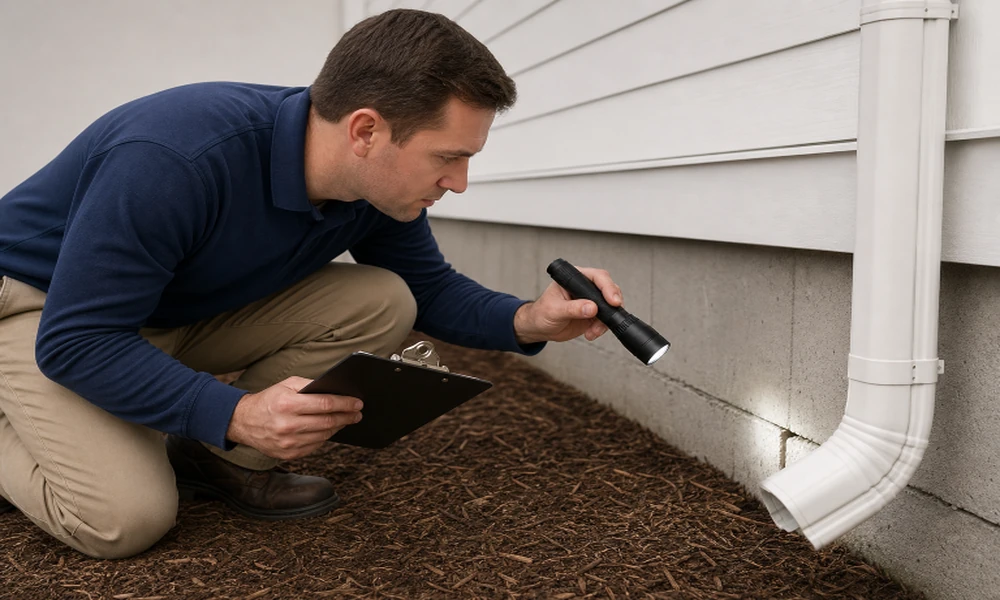
Set aside time each month for a quick, repeatable inspection. Start outside and walk slowly around the foundation. Look for cracks, damaged vent covers, loose screens, gaps around pipes, and vegetation touching the structure. Then check the garage, attic, crawl space, utility room, kitchen, and bathrooms.
What to look for
- Droppings, shed skins, webbing, or discarded insect wings.
- Gnaw marks on food packaging, wiring, or stored materials.
- Musty or unusual odors near cabinets, walls, and storage spaces.
- Moisture under sinks, behind appliances, or near water heaters.
- New openings around doors, windows, rooflines, and utility lines.
Take photos and note the date of each finding. This simple log makes it easier to tell whether activity is increasing, moving, or responding to repairs.
Sealing Entry Points
Exclusion is often one of the most valuable pest-control steps. Replace worn door sweeps, repair torn window screens, close gaps around garage doors, and apply appropriate sealant around pipes and utility penetrations. Cover larger vents with durable pest-resistant screening, while keeping airflow requirements in mind. Inspect roof edges, soffits, attic vents, and areas where siding meets the foundation. Seal only after considering whether pests may already be active inside. Closing one opening without identifying the broader route can leave pests trapped in wall voids or redirect them to another gap.
Removing Food, Water, and Shelter
Simple habits can make a home far less inviting. Store dry foods and pet supplies in sealed containers, wipe counters after meals, take out trash before it overflows, and clean crumbs from under appliances. Do not leave pet food outdoors overnight, and promptly repair dripping faucets, refrigerator lines, and irrigation leaks. Clutter also creates shelter. Reduce piles of boxes, paper, fabric, and unused materials in garages, closets, and storage rooms. Keep firewood, lumber, and stacked containers away from exterior walls to reduce the number of protected hiding places near the house.
Yard and Landscaping Steps
Outdoor conditions strongly affect what happens indoors. Trim shrubs and tree branches away from walls, windows, and rooflines so crawling pests have fewer bridges into the home. Keep gutters and drainage areas clear, correct pooling water, and avoid overwatering near the foundation. Mulch, compost, stones, and decorative wood can retain moisture and provide shelter for insects when placed directly against the structure. Leave a visible inspection strip along the foundation whenever possible. That small buffer makes it easier to spot activity early.
Common Pest Warning Signs
- Small dark droppings: May indicate rodents or cockroaches. Check cabinets, food storage, and wall openings.
- Discarded wings: May come from swarming insects. Save a sample and inspect nearby wood and entry points.
- Webbing or shed skins: Can signal spiders or other insects hiding in corners, vents, and clutter.
- Gnaw marks: Often point to rodent activity. Secure food and inspect utility openings.
- Repeated bites: Can have several causes. Inspect sleeping areas carefully and seek accurate identification.
Avoid guessing based on a single sign. Clear photos or a safely captured specimen can help identify the pest and prevent wasted effort on the wrong treatment.
Safer Treatment Choices
Start with integrated pest management: identify the pest, monitor where and when it appears, remove conditions that support it, and choose the least-risky, effective control. The integrated pest management approach emphasizes prevention, accurate identification, and targeted controls before broad pesticide use. If a pesticide is necessary, use only a product labeled for the specific pest and location. Follow every label direction, including preparation, application, ventilation, and reentry instructions. Keep children, pets, food, and water away from treated areas as directed. Indoor foggers and broad sprays are often poor first choices when sanitation, traps, exclusion, or a focused treatment may solve the problem.
When to Call a Professional
Seek professional help when pests keep returning after basic repairs, rodents are active in walls or ceilings, stinging insects nest near living areas, or there are signs of termites, bed bugs, or structural damage. Prompt help is also wise when a pest may create a health or safety concern. Before treatment, ask which pest is being targeted, what method will be used, what preparation is needed, when it is safe to reenter treated spaces, and what prevention steps will reduce future activity.
Monthly Prevention Checklist
- Walk the exterior and note new cracks, gaps, or damaged screens.
- Check door sweeps, garage seals, vents, and attic openings.
- Inspect under sinks and behind appliances for leaks.
- Clean outdoor food and water bowls.
- Trim plants away from walls and rooflines.
- Review food storage and reduce clutter in storage areas.
- Record droppings, wings, webbing, gnaw marks, or unusual odors.
Conclusion
A dependable pest-prevention plan starts with observation, not heavy pesticide use. By reducing water, food, shelter, and entry points, homeowners make their property less attractive year-round. For regional identification help with pests such as mice, mosquitoes, bed bugs, or scorpions, the University of Arizona’s home pest resources offer practical educational information. A simple monthly routine can keep small pest issues from becoming larger problems. Homeowners can inspect doors, windows, screens, plumbing areas, garages, and outdoor spaces for early signs of activity. Fixing leaks, sealing gaps, storing food securely, and keeping clutter under control can eliminate many of the conditions pests need to thrive. Seasonal checks are also useful after extreme heat, rain, or landscaping changes. When activity continues despite prevention efforts, identifying the pest and addressing its source can help guide a more targeted response.