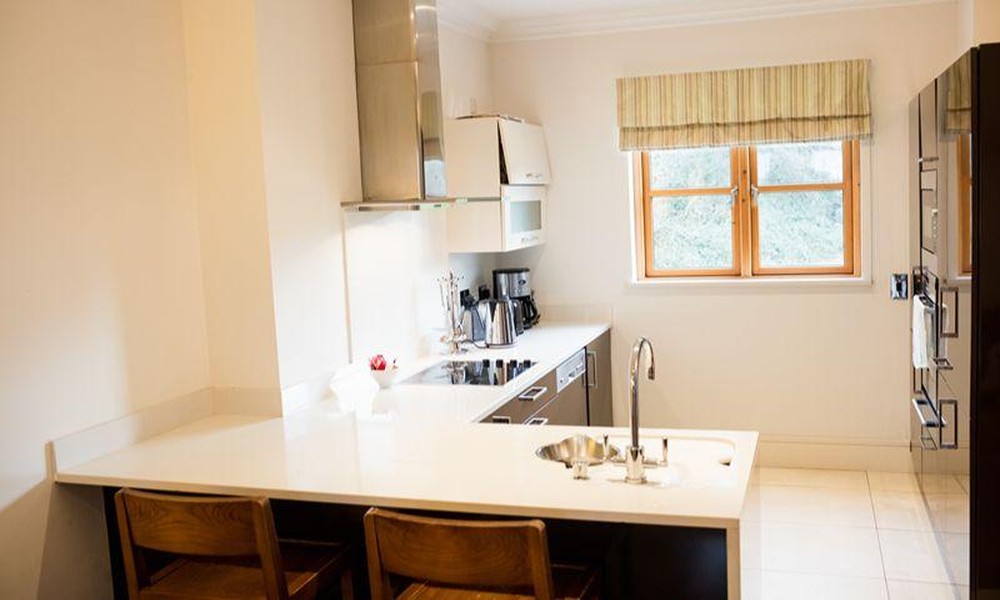

Creating an open concept for HDB kitchen spaces feels like a straightforward step toward a modern, free-flowing home. The visuals online make it look simple. The reality becomes trickier the moment renovation plans move from inspiration boards to practical decisions that shape everyday living. Many homeowners jump in excitedly, only to realise later that specific considerations need more thought. A successful design depends on balance, clarity, and the willingness to anticipate daily routines beyond the initial aesthetic.
1. Overestimating the Amount of Usable Space
Open layouts give the impression of extra room, yet this illusion sometimes leads homeowners to misjudge how much functional space truly exists. A wall comes down, the area looks larger, and suddenly every idea seems possible. However, circulation space, storage zones, and appliance placement still demand discipline. A kitchen needs defined pathways and areas that support cooking without disrupting adjacent living spaces.
Some homeowners end up squeezing entire counters or oversized dining sets into an area that cannot support them long-term. This oversight produces tight walking paths and awkward corners that undermine the original purpose of creating openness. A better approach involves measuring at every stage-even when the space appears generous. Visual width differs from practical usability, and the latter decides how comfortable the home will feel once settling in and using it daily.
2. Ignoring Ventilation and Odour Management
The most persistent challenge in any open concept for an HDB kitchen revolves around cooking odours travelling freely. Homeowners sometimes assume modern appliances or high-power hoods can handle everything. In reality, the combination of open space and daily frying, boiling, reheating, or steaming creates lingering smells that drift across living and dining areas. Once trapped in upholstery, these odours stick around.
Ventilation plans must be treated as essential, not optional. Positioning the hood correctly, checking air circulation routes, and choosing cooking equipment that matches household habits matter immensely. Even simple choices such as window placement or whether the kitchen island blocks airflow make a difference. Thinking about how the home behaves during cooking hours: morning rush, weekend meal prep, or late-night snacks, helps homeowners make informed decisions before committing to a layout that feels too porous.
ALSO READ: Designing an HDB Kitchen That Makes Hosting Feel Effortless at Home
3. Overlooking Noise Transfer and Daily Disruption
Cooking comes with a soundtrack: clattering pans, humming appliances, chopping, grinding, boiling, beeping. When walls are removed, these sounds no longer stay contained. Some homeowners underestimate how much noise travels into workspaces, study corners, TV areas, and rest zones. A typical day in an open layout reveals this quickly, especially during breakfast preparation or meal clean-up when the household operates at full speed.
Smart renovations do not silence every sound, but it manages them. Soft-close cabinetry, strategic appliance placement, and material selection reduce noise significantly. For instance, surfaces that absorb sound rather than bounce it back can keep the atmosphere calm and comfortable. Being conscious of the home’s daily rhythm also helps; the kitchen may sit near areas where people need quiet moments. Addressing this early avoids frustration later, particularly in homes where people work, study, or rest at different hours.
4. Underestimating Storage Needs After Removing Walls
Walls do more than divide spaces-they hold cabinets, shelves, wiring, and sometimes built-in storage that homeowners rely on without realising. Once these walls disappear, the storage disappears too. Many homeowners discover this only after renovation ends, when new items start piling up, and there is nowhere to put them. Open layouts demand storage solutions that blend seamlessly with the surrounding areas while keeping essentials accessible.
Thoughtful planning makes everything easier. Instead of forcing bulky cabinets into the open layout, consider mixed solutions: under-island compartments, tall units disguised within design features, or slimmer cabinetry that fits the space without crowding it. The goal is to support daily cooking and dining habits without clutter dominating the visual flow. Storage is the backbone of an efficient open kitchen, and designing it early prevents frustration later.
Want a home that feels intentional, refreshed, and genuinely well-designed? Explore smarter ways to build an open concept for HDB kitchen layouts that actually work. Visit Living Comforts for interior space design ideas and inspiring décor tips that elevate every corner of your home.