
Dust mites are tiny creatures that thrive in places where people wouldn’t think to look, especially around bedding, carpets, and upholstered furniture. But what about the air ducts running through a Brentwood home? Although ductwork can collect dust mite allergens, whether living mites can survive there depends on moisture, food availability, and conditions inside the ventilation system.
What Dust Mites Need to Survive Inside a Home
Dust mites feed mainly on shed human skin cells and thrive in warm, humid environments. Mattresses, pillows, carpets, and upholstered furniture provide both food and moisture, making them common places for mite populations to grow. Unlike bedbugs, dust mites do not bite or feed on blood. Their waste particles and body fragments contain proteins that can trigger allergic reactions in sensitive people.
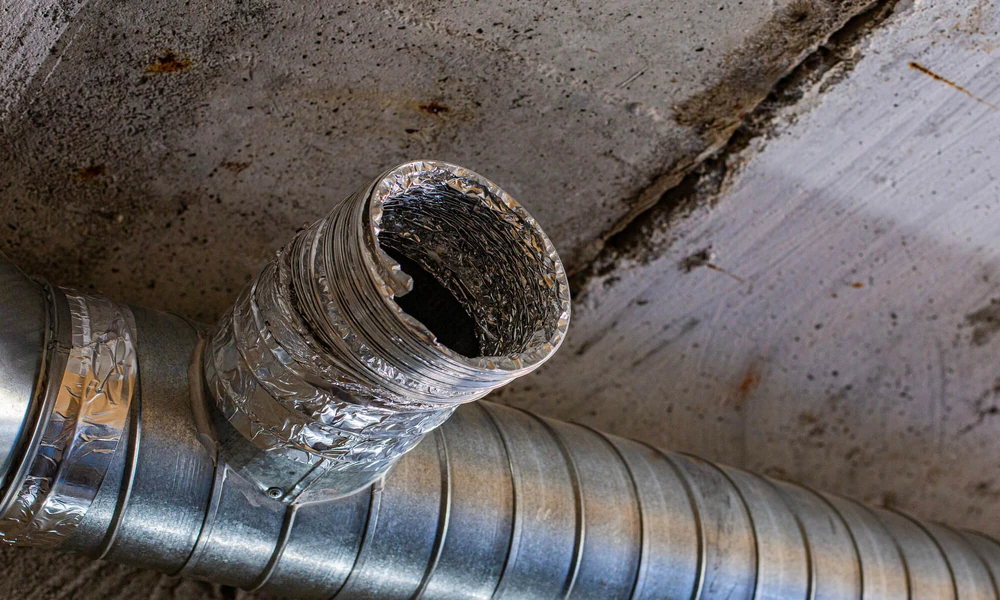
Ventilation ducts generally offer less favorable living conditions. Airflow, changing temperatures, and dry surfaces make it difficult for mites to maintain the moisture they need. However, dust deposits can contain skin flakes and other organic materials. If humidity remains high enough, mites may survive in certain protected areas, although established populations inside ductwork are not considered a common household problem.
Can Dust Mite Allergens Travel Through Air Ducts?
Living dust mites typically remain in fabrics and other surfaces where they find food and moisture. Their waste and body fragments, however, can become airborne when household activity disturbs settled dust. Walking across carpets, changing bedding, or vacuuming without proper filtration can release allergen-containing particles into the air.
HVAC return vents may draw these particles toward the ventilation system. Filters capture some of them, but poorly fitted or overloaded filters can allow additional debris to pass through. Once particles settle inside ducts, they may remain there until disturbed or removed. Professional duct cleaning can remove accumulated dust containing allergens, although it cannot eliminate dust mites living elsewhere in the home.
Why Brentwood’s Humidity Matters for Dust Mites
Middle Tennessee experiences humid conditions during warmer months, which can support dust mite populations indoors. These organisms absorb moisture from the surrounding air rather than drinking water. Relative humidity above approximately 50 percent can favor their survival, depending on temperature and other conditions. Keeping indoor humidity below 50 percent generally makes living spaces less suitable for them.
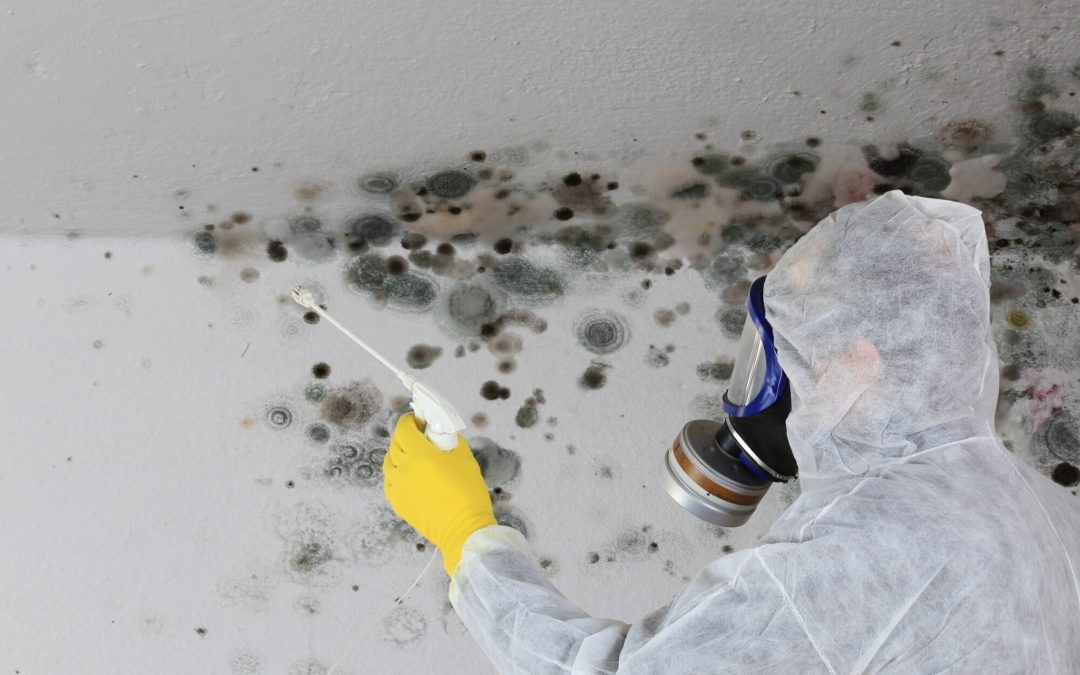
Air conditioning helps control indoor moisture, but poorly insulated ducts, condensation, and damp crawl spaces can create localized moisture problems. Homeowners should investigate wet insulation, condensation around registers, or water entering duct connections. Cleaning alone will not correct those conditions, and moisture problems may encourage other forms of contamination, including microbial growth.
Does Air Duct Cleaning Help With Dust Mite Allergies?
Professional air duct cleaning can remove settled debris from accessible duct surfaces using specialized vacuum equipment and agitation tools. If that debris contains dust mite allergens, removing it reduces the amount present in those cleaned areas. However, research has not consistently shown that routine duct cleaning improves allergy symptoms, particularly when bedding and furniture remain the primary sources of exposure.
Homeowners considering duct cleaning in Brentwood, TN should understand this difference before booking a service. A duct inspection can determine whether significant dust deposits justify cleaning. The best duct cleaners focus on removing actual contamination rather than promising complete allergen removal. Professional duct cleaning services can address dirty ductwork, but managing dust mites requires attention throughout the house.
Reducing Dust Mite Allergens Without Relying on Duct Cleaning Alone
Washing bedding regularly in hot water, using allergen-resistant mattress and pillow covers, and keeping indoor humidity under control can reduce exposure. Vacuuming carpets and upholstered furniture with HEPA-filtered equipment also helps collect settled debris. Homes with persistent allergy concerns may benefit from reducing fabric clutter and replacing heavily dust-holding furnishings where practical.
HVAC maintenance supports these efforts. Properly fitted filters prevent more airborne particles from reaching internal equipment, while regular filter checks help maintain airflow. Families looking to clean air ducts should also inspect accessible registers and address obvious dust sources around the home. These measures work together without assuming that ductwork is responsible for every allergy problem.
What Should Homeowners Look for in a Duct Cleaning Company?
Anyone searching for the best duct cleaners in Brentwood, TN should ask how technicians inspect duct interiors and remove settled debris. Reliable companies explain their cleaning process, use equipment that contains loosened dust, and avoid making unsupported claims about curing allergies. A clear service estimate should identify which ventilation components technicians will clean.
Residents comparing duct cleaning services in Brentwood, TN can also ask whether technicians check for moisture damage or contaminated insulation. These findings may require repairs beyond routine cleaning. A company offering air duct cleaning in Brentwood, TN should explain such limitations and recommend appropriate next steps rather than treating every problem as a cleaning issue.
For Brentwood homeowners concerned about dust buildup and possible allergen deposits, Mr. B’s Air Duct Cleaning provides professional residential duct cleaning using specialized equipment. The company helps remove accumulated debris from ventilation systems when cleaning is necessary. Homeowners can have their ductwork assessed to determine whether professional cleaning would help reduce dust and allergen buildup as part of their overall indoor air quality maintenance.