
Key Highlights
- Many homeowners fail to choose furniture that matches the vast proportions of a landed property, leading to rooms that feel cavernous or cluttered.
- Experts in landed house interior design emphasise using double-volume ceilings for lighting and architectural features rather than leaving them as dead space.
- Without a unified theme, expansive multi-storey homes often suffer from a “disconnected” feel between different levels and zones.
- Relying solely on natural light during the day often leaves massive rooms under-lit and gloomy once the sun sets in Singapore.
Introduction
Stepping into a detached or semi-detached home offers a sense of freedom that high-rise living simply cannot match, yet that very spaciousness often becomes a designer’s biggest hurdle. We frequently see homeowners get overwhelmed by the sheer volume of a landed house interior design project, leading to decisions that look great in a showroom but fail in a sprawling residential context.
The goal is to marry the architectural bones of the building with a lifestyle that feels intimate despite the square footage. When approaching residential interior design for a larger home, you’re not just decorating rooms; you are curating a multi-sensory experience that needs to flow logically from the front gate to the back garden.
1. The Trap of Incorrect Furniture Scaling
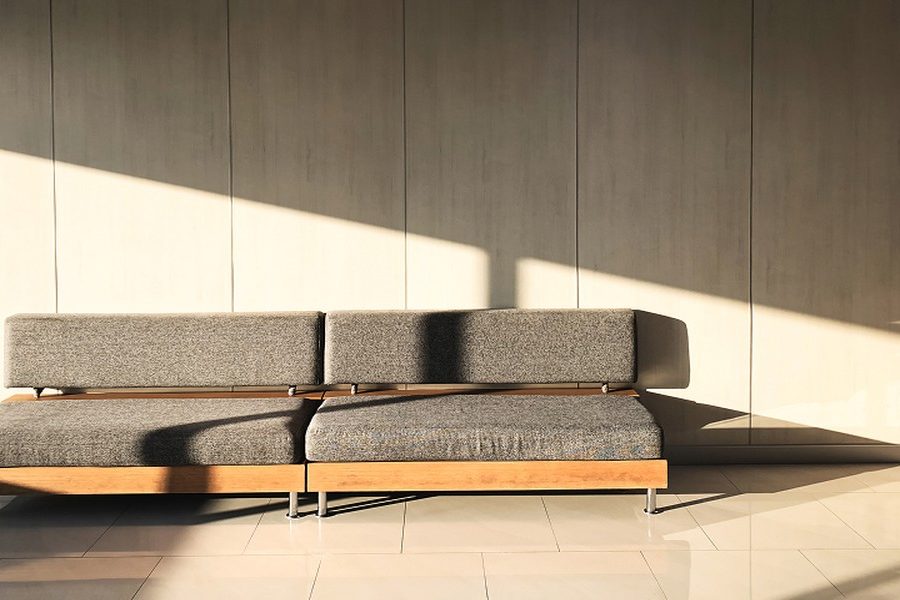
Perhaps the most frequent error in landed house interior design involves purchasing furniture that is far too small for the environment it inhabits. In a standard apartment, a two-metre sofa might be the centrepiece, but in a grand living hall, that same piece of furniture looks like a toy left behind by a child.
This “shrinking” effect makes a luxurious space feel awkward and unanchored, as if the pieces are floating in a vacuum. To avoid this, you should embrace oversized rugs and modular seating arrangements that physically and visually fill the room. High-end residential interior design thrives on “zoning,” where large areas are broken down into smaller, functional clusters that provide comfort without sacrificing the feeling of grandeur.
2. Ignoring the Vertical Potential
If your home boasts double-volume ceilings or a dramatic mezzanine, leaving those walls bare is a significant missed opportunity for impact. Many people focus so intently on the floor plan that they forget to look up, resulting in a landed house interior design that feels “bottom-heavy” and architecturally flat.
You can solve this by introducing statement pendant lights that drop into the mid-air space or by creating floor-to-ceiling feature walls that draw the eye upward. A sophisticated approach to residential interior design treats the vertical plane as a canvas for textures, bespoke shelving, or even indoor greenery that thrives in the abundant light of a landed home.
3. The Labyrinth of Disconnected Themes
With multiple floors, it is incredibly tempting to give every bedroom a wildly different personality, but this often leads to a jarring experience as you move through the house. While individual rooms should reflect their occupants, the overall landed house interior design requires a “red thread” of consistency in materials, colour palettes, or flooring.
If the ground floor is ultra-modern marble and the second floor is rustic Scandinavian timber, the home loses its sense of identity and starts to feel like a collection of separate flats. Professional residential interior design emphasises subtle transitions, often employing the same wood grain for the staircase as the bedroom cabinetry to maintain a harmonious visual flow.
4. Underestimating the Complexity of Lighting
Natural light is the crown jewel of any landed property in Singapore, but the sheer depth of these homes means the centre of the house can become surprisingly dark. A common pitfall is failing to plan for “layered” lighting, where ambient, task, and accent lights work together to eliminate shadows in large open-plan areas. Within the scope of landed house interior design, you must consider how light interacts with different surfaces at various times of the day.
Without a robust lighting plan, your beautiful residential interior design might look stunning at noon but become cold and uninviting in the evening. Smart home integration and recessed cove lighting can help maintain that warm, luxurious glow regardless of the external weather.
Conclusion
Achieving a balanced and breathtaking home requires more than just high-quality furniture; it demands a deep understanding of scale, light, and flow. By avoiding these common errors in landed house interior design, you ensure your property remains a cohesive sanctuary that reflects your success and personal taste. The secret lies in treating the entire plot as a singular masterpiece rather than a series of disconnected boxes.
Ready to transform your vision into a living masterpiece? Don’t let your dream home be defined by design mistakes! Contact Jialux Interior today for the most trusted interior design company in Singapore.