
What Is Asbestos?
Asbestos is a naturally occurring mineral made up of tiny, heat-resistant fibers. For decades, it was widely used in construction, insulation, and various industrial applications due to its durability and resistance to fire. However, the very properties that made asbestos useful also make it dangerous when disturbed. Once airborne, these microscopic fibers can be inhaled, leading to serious health issues over time.
Health Hazards of Asbestos Exposure
Exposure to asbestos is a serious health concern. Long-term exposure to asbestos is the primary cause of mesothelioma, a rare but aggressive form of cancer. It is also linked to other conditions like asbestosis, a chronic lung disease, and cancers of the lung, larynx, and ovaries. Symptoms often take years, even decades, to appear, making early detection difficult. Mesothelioma, in particular, is almost exclusively associated with asbestos exposure, highlighting the importance of minimizing contact with this hazardous material.
Common Places Asbestos Is Found
Asbestos can be found in many older buildings and products. Common locations include:
- Insulation materials, especially in homes built before the 1980s.
- Roofing shingles, tiles, and siding.
- Pipe and duct coverings in HVAC systems.
- Textured paints and patching compounds.
If you suspect asbestos in your home or workplace, it’s crucial to consult a professional for proper testing and removal. Attempting to handle it yourself can release dangerous fibers into the air, posing significant health risks.
Legal and Regulatory Framework for Asbestos Removal
Key Regulations Governing Asbestos Abatement
The removal of asbestos is tightly controlled by federal and state laws to protect public health and the environment. Key regulations, such as those set by OSHA and the EPA, dictate how asbestos must be handled, removed, and disposed of. OSHA’s standards focus on safeguarding workers, while the EPA oversees environmental impacts. For instance, asbestos testing and safety limits are outlined in detail to guide restoration businesses. Learn more about OSHA and EPA regulations.
Licensing Requirements for Contractors
Only licensed professionals are allowed to perform asbestos abatement. Contractors must complete specialized training programs and obtain certifications to handle asbestos legally. These requirements ensure that only qualified individuals manage the risks associated with asbestos removal. Additionally, they help businesses avoid costly mistakes and penalties by adhering to strict safety protocols.
Penalties for Non-Compliance
Failing to follow asbestos regulations can lead to severe consequences, including hefty fines and legal actions. Non-compliance not only endangers workers and the public but also tarnishes the reputation of the involved parties. Restoration businesses, in particular, must prioritize proper asbestos abatement practices to avoid these risks. Regular audits and adherence to best practices can help maintain compliance and prevent violations.
Initial Assessment and Inspection
Conducting a Professional Asbestos Survey
Before starting any asbestos removal, a thorough professional survey is essential. Certified inspectors, often trained through programs like the Asbestos Building Inspector Initial training course, examine the property to locate and evaluate asbestos materials. This step involves visual inspections and sometimes collecting samples for laboratory analysis. The goal is to determine the presence, type, and condition of asbestos-containing materials (ACMs).
Identifying Asbestos-Containing Materials
Not all asbestos is visible to the naked eye. Inspectors focus on common materials like insulation, ceiling tiles, and flooring that may contain asbestos. They also evaluate whether the material is friable—easily crumbled by hand—which increases the risk of airborne fibers. Identifying these materials early helps in planning the safest removal methods.
Assessing the Level of Contamination
Once asbestos is identified, the next step is assessing how severe the contamination is. This involves considering factors like the amount of asbestos, its condition, and its location. For example, friable asbestos poses a higher risk and requires immediate attention. Detailed reports are prepared, outlining the findings and providing recommendations for the next steps in the asbestos abatement process.
Developing an Abatement Plan
Creating a Site-Specific Work Plan
Before any removal begins, a detailed, site-specific work plan must be created. This document outlines the exact steps to safely handle and remove asbestos-containing materials (ACMs) from the property. A well-thought-out plan is critical to ensure safety and compliance throughout the process. Key elements of the plan include:
- Identifying the specific areas where asbestos is present.
- Listing the tools, equipment, and protective gear required.
- Establishing timelines and sequencing for each phase of the abatement.
Selecting Appropriate Removal Methods
Not all asbestos removal jobs are the same, so choosing the right methods is important. Wet removal, encapsulation, and enclosure are common options. Each method has its pros and cons, depending on the condition and location of the ACMs. For instance:
- Wet removal involves applying water or a wetting agent to minimize airborne fibers.
- Encapsulation seals the asbestos material to prevent fiber release.
- Enclosure involves building a barrier around the asbestos to contain it.
The chosen method should align with safety standards and the specific needs of the site.
Ensuring Compliance with Safety Standards
Following legal and regulatory requirements is non-negotiable during asbestos abatement. Contractors must adhere to guidelines like those outlined in the EPA’s air toxics regulation for asbestos, which aim to reduce fiber release during handling. Compliance measures include:
- Using certified personnel trained in asbestos handling.
- Monitoring air quality before, during, and after removal.
- Documenting all steps to demonstrate adherence to regulations.
By addressing these components, the abatement plan becomes a roadmap for a safe and effective asbestos removal process.
Preparing the Site for Asbestos Removal
Setting Up Containment Areas
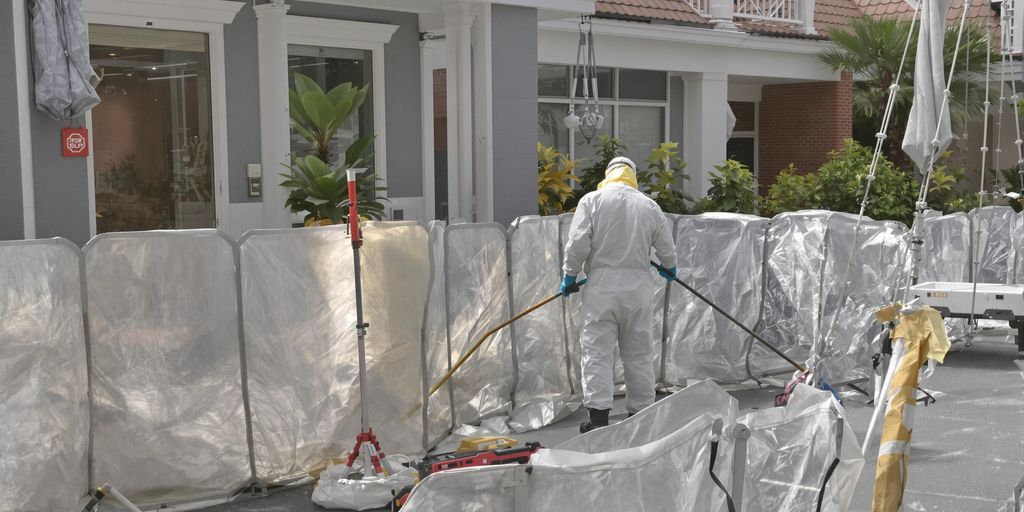
Before any asbestos removal work begins, it’s vital to establish containment zones to prevent asbestos fibers from spreading to other parts of the building. These areas are typically sealed off using heavy-duty plastic sheeting and duct tape to create an airtight barrier. This step is non-negotiable to ensure that contamination is confined to the work area. Workers often use labeled entry and exit points to minimize unnecessary movement in and out of the containment zone.
Establishing Negative Air Pressure Systems
To further control the spread of asbestos fibers, negative air pressure systems are installed within the containment area. These systems use specialized equipment to continuously filter air and direct it outside the building, ensuring that no contaminated air escapes into unaffected spaces. Negative air machines with HEPA filters are commonly employed for this purpose, as they effectively capture even microscopic asbestos particles.
Securing the Worksite to Prevent Contamination
The final step in preparing the site is securing the entire worksite. This includes posting clear warning signs around the perimeter to alert occupants and visitors of the hazards. Floors and surfaces within the containment zone are often covered with disposable materials to make post-removal cleanup easier. Additionally, emergency protocols are established in case of accidental contamination or equipment failure.
For all these steps, it’s highly recommended to hire a registered asbestos abatement contractor to ensure compliance with safety regulations and proper handling of hazardous materials.
Executing the Asbestos Removal Process
Wet Removal Techniques to Minimize Dust
When handling asbestos, the goal is to keep airborne particles to an absolute minimum. Wet removal techniques are widely used because they reduce the risk of fibers becoming airborne. Workers spray water mixed with a wetting agent onto asbestos-containing materials (ACMs). This mixture soaks into the material, making it less likely to crumble and release fibers. This method is one of the safest and most effective ways to manage asbestos during removal. However, it requires careful application to ensure the material is fully saturated without creating runoff that could contaminate nearby areas.
Proper Handling and Bagging of Asbestos Waste
Once asbestos is removed, it must be handled with extreme caution. Workers use specialized tools and protective gear to safely collect the material. The waste is then double-bagged in heavy-duty, leak-proof bags labeled specifically for asbestos. Each bag is sealed tightly to prevent leaks. Beyond that, regulations often require the waste to be transported to approved disposal facilities. Owners or occupiers are also reminded to hire a registered asbestos contractor to ensure compliance with legal requirements.
Using Specialized Tools and Equipment
Removing asbestos safely involves more than just basic tools. Specialized equipment, such as HEPA-filtered vacuums and negative air pressure machines, are essential. These tools help capture even the smallest fibers, preventing them from spreading into the air. Workers also use tools like scrapers and wire brushes that are designed to minimize disturbance to ACMs. Proper training in using this equipment is critical, as even minor mistakes can lead to contamination or exposure risks.
Post-Removal Cleaning and Decontamination
HEPA Vacuuming and Surface Wiping
After asbestos removal, the cleaning process begins with HEPA vacuuming. This specialized vacuum is designed to trap fine particles, ensuring no asbestos fibers escape back into the air. Workers meticulously vacuum every surface, including walls, floors, and ceilings, to remove any lingering debris. Once vacuuming is complete, surfaces are wiped down with damp cloths to pick up any remaining traces. The combination of these steps helps ensure that the area is free from contamination.
Air Quality Testing After Removal
Air quality testing is a critical step to confirm that asbestos fibers are no longer present in the environment. Professionals use air sampling equipment to measure fiber levels in the air. If the results meet regulatory standards, the area is deemed safe. This step not only guarantees safety but also provides peace of mind for property owners.
Disposing of Contaminated Materials Safely
Proper disposal of asbestos waste is essential to prevent future exposure. All contaminated materials, including removed asbestos and used cleaning supplies, must be sealed in airtight containers or bags labeled as hazardous waste. These materials are then transported to authorized disposal facilities that specialize in handling asbestos. Workers must also follow strict decontamination protocols, such as changing clothing and adhering to specific safety procedures, to minimize health risks. Workers must adhere to strict decontamination protocols after completing tasks involving asbestos exposure, ensuring safety remains a top priority.
Final Clearance and Certification
Conducting a Final Visual Inspection
Once the asbestos removal process is complete, a thorough visual inspection is carried out to ensure no visible debris remains. This step is critical to confirm that the site is clean and free from any remnants of asbestos-containing materials (ACMs). Inspectors will meticulously check all surfaces, including walls, floors, and ceilings, to identify any overlooked contamination. This inspection serves as the first line of assurance that the area is safe for reoccupation.
Air Monitoring for Clearance Certification
After the visual inspection, air monitoring is conducted to measure asbestos fiber levels in the air. Using specialized equipment, air samples are collected and analyzed to ensure they fall below permissible exposure limits. This step is essential to verify that airborne asbestos fibers no longer pose a risk to health. Air monitoring results are often compared against standards set by regulatory bodies, such as those outlined by the EPA’s asbestos laws and regulations.
Issuing a Clearance Report
Once the site passes both the visual inspection and air monitoring tests, a clearance report is issued. This document serves as official proof that the asbestos abatement process has been successfully completed. It typically includes details of the work performed, inspection results, and air quality findings. Property owners should keep this report for their records, as it may be required for future property transactions or audits. The clearance report not only provides peace of mind but also demonstrates compliance with safety and legal standards.
Ongoing Monitoring and Maintenance
Periodic Inspections for Remaining Asbestos
Regular inspections are key to managing asbestos safely, especially in older buildings. Signs of wear, such as cracks or moisture damage, should never be ignored. These inspections help identify any potential risks before they escalate. Hiring a licensed asbestos inspector ensures a thorough assessment. For more on this, explore essential steps for managing asbestos.
Maintaining Records of Abatement Activities
Keeping detailed records of all asbestos-related activities is not just a good practice—it’s often a legal requirement. These records should include inspection reports, removal plans, and clearance certifications. Proper documentation can also simplify future inspections and ensure compliance with regulations.
Training Staff on Asbestos Awareness
Educating staff about asbestos risks is a smart move for any organization. Training should cover how to identify potential asbestos-containing materials and what steps to take if they suspect exposure. This awareness helps maintain a safer environment for everyone involved.
Choosing a Qualified Asbestos Abatement Contractor
Evaluating Contractor Credentials
When looking for a contractor to handle asbestos removal, you want someone who knows their stuff. Make sure they have the proper certifications and licenses required by state and federal laws. This is non-negotiable. Check their training records and ask if they’re up to date on the latest safety standards. A good contractor should also be able to provide proof of past projects and references from satisfied clients.
Questions to Ask Before Hiring
Before signing any contract, ask a few key questions to make sure you’re hiring the right team:
- How long have you been in the asbestos removal business?
- What specific methods do you use for containment and removal?
- Can you provide a detailed breakdown of costs?
These questions will give you a better sense of their experience and approach. Don’t be afraid to ask for clarification if their answers seem vague.
Verifying Insurance and Bonding
It’s important to confirm that the contractor is both insured and bonded. This protects you in case something goes wrong during the removal process. Look for general liability insurance and worker’s compensation coverage. Accidents can happen, even with the best contractors, so having this layer of protection is essential. Ask for copies of their insurance certificates and verify them with the issuing company.
Costs and Budgeting for Asbestos Removal
Factors Influencing Removal Costs
The cost of asbestos removal can vary widely depending on several key factors. The size of the contaminated area is one of the biggest determinants. Larger spaces naturally require more resources, including labor and equipment. Similarly, the type of asbestos-containing material (ACM) plays a role. For example, removing friable asbestos, which crumbles easily, is often more expensive due to the heightened risk of airborne fibers. The location of the asbestos also matters; hard-to-reach areas like attics or crawl spaces may increase labor costs.
In Phoenix, homeowners typically spend between $1,193 and $3,255, with an average of $2,216. However, these figures can climb significantly for larger or more complex projects.
Budgeting for Unexpected Expenses
Even with careful planning, unexpected costs can arise during asbestos removal. Hidden asbestos materials, additional safety measures, or unforeseen damage to the property may all add to the final bill. To avoid financial strain, it’s wise to set aside an additional 10-20% of your estimated budget for contingencies. This buffer can help cover any surprises without derailing the project.
For instance, asbestos removal averages $2,212 nationwide, but prices can range from $450 to $6,000 depending on factors like the amount of asbestos and the complexity of the removal process. Planning for the high end of the range can offer peace of mind.
Understanding Insurance Coverage
Not all insurance policies cover asbestos removal, but it’s worth checking with your provider. Some homeowner’s insurance plans may cover abatement if the asbestos was disturbed by a covered event, like a fire or storm. However, routine removal due to age or renovation is typically excluded. Reviewing your policy in detail and discussing your options with your insurer can help you understand what, if any, costs might be reimbursed. If insurance doesn’t apply, consider financing options or government assistance programs to help manage the expense.